Author: admin

  • Internal Linking for Better Search Rankings: A Proven Strategy

    Internal Linking for Better Search Rankings: A Proven Strategy

    Are you wondering if there’s a secret to making your website climb the search engine rankings? The answer might be simpler than you think. A well-planned SEO internal linking can be the key to unlocking better visibility online.

    Search engines like Google use complex algorithms to rank websites, and while the exact formula is a closely guarded secret, one thing is clear: a strategic internal linking strategy can significantly boost your site’s performance.

    By connecting relevant pages on your website, you’re not only improving user experience but also helping search engines understand your site’s structure and content hierarchy. This, in turn, can lead to better search rankings.

    Key Takeaways

    • A well-planned internal linking strategy improves website visibility.
    • Strategic internal linking boosts search engine rankings.
    • Connecting relevant pages enhances user experience.
    • Internal linking helps search engines understand your site’s structure.
    • Better search rankings can be achieved through effective SEO internal linking.

    Understanding the Power of Internal Links

    The power of internal linking lies in its ability to enhance your website’s structure and improve user experience. Internal linking is a fundamental aspect of SEO that helps search engines understand your website’s hierarchy and content relevance.

    What Are Internal Links and Why They Matter

    Internal links are hyperlinks that point to other pages within the same website. They are crucial for several reasons. Firstly, they help users navigate your website, improving engagement and reducing bounce rates. Secondly, internal links assist search engines in discovering and indexing new content on your site. As Google states, “a well-organized site structure helps Google crawl your site more efficiently.”

    How Search Engines Use Internal Links to Rank Pages

    Search engines like Google use internal links to understand the relationship between different pages on your website. By analyzing these links, search engines can determine the importance of each page and how it contributes to your site’s overall authority. As Moz notes, “internal links are a key factor in how search engines rank pages.” A well-planned internal linking strategy can thus significantly impact your website’s search rankings.

    By understanding and leveraging the power of internal links, you can improve your website’s visibility, drive more traffic, and enhance your overall SEO strategy.

    The Benefits of a Strong Internal Linking Strategy

    Internal linking is a powerful SEO technique that offers numerous benefits for website owners. By strategically linking to relevant pages within their site, businesses can improve user experience, enhance search engine crawlability, and boost overall website performance.

    Improved Website Navigation and User Experience

    A well-structured internal linking strategy helps users find the information they need more easily, leading to a better overall experience on the site. This can result in increased engagement and reduced bounce rates.

    Enhanced Page Authority Distribution

    Internal linking allows websites to distribute page authority more effectively, ensuring that important pages receive the attention they deserve from search engines. This can lead to improved search engine rankings for targeted keywords.

    A dynamic visual representation of the benefits of internal linking in digital marketing. In the foreground, a diverse group of professionals, dressed in smart business attire, gathers around a sleek table filled with laptops and notepads, actively discussing internal linking strategies. In the middle, a vibrant infographic of interconnected nodes representing web pages gleams on a digital screen, illustrating the flow of authority and improved search rankings. The background features a modern office environment with soft, professional lighting that enhances collaboration and innovation. The overall mood is one of excitement and strategic thinking, emphasizing the importance of a robust internal linking strategy in achieving online success. The lens is slightly angled to create depth, focusing on the interaction between the team and the informative display.

    Increased Crawl Efficiency and Indexation

    By providing a clear structure through internal linking, websites can improve crawl efficiency, making it easier for search engines to discover and index new content.

    Reduced Bounce Rates and Longer Sessions

    When users can easily navigate a site and find relevant information, they’re more likely to stay longer and explore further, reducing bounce rates and increasing session duration.

    Benefit Description Impact
    Improved Navigation Easier for users to find information Better User Experience
    Enhanced Authority Distribution Better distribution of page authority Improved Search Rankings
    Increased Crawl Efficiency Easier for search engines to crawl Faster Indexation

    Internal Linking Strategy for Better Rankings: The Fundamentals

    To achieve better search rankings, it’s essential to understand the fundamentals of an effective internal linking strategy. A well-planned internal linking structure not only improves user experience but also enhances your website’s visibility to search engines.

    Creating a Logical Site Hierarchy

    A logical site hierarchy is the foundation of a successful internal linking strategy. It involves organizing your content in a way that makes it easy for both users and search engines to navigate your site. This can be achieved by categorizing content into main themes and subthemes, creating a clear structure that flows from general to specific topics.

    Identifying Your Most Valuable Content

    Not all content is created equal. Identifying your most valuable content is crucial for determining which pages should be prioritized in your internal linking strategy. Use metrics such as page authority, traffic, and engagement to determine the value of each piece of content.

    Planning Strategic Link Pathways

    Once you’ve identified your most valuable content, it’s time to plan strategic link pathways. This involves creating a network of links that guide users and search engines through your site, highlighting your most important content. Use a mix of contextual links within your content and navigational links in menus and footers to create a robust linking structure.

    Balancing Link Equity Across Your Site

    Link equity refers to the value passed from one page to another through hyperlinks. Balancing link equity across your site ensures that all relevant pages have the opportunity to rank well in search engines. Avoid over-linking to a single page, and instead, distribute links thoughtfully throughout your site.

    Linking Strategy Description Benefits
    Logical Site Hierarchy Organizing content into categories and subcategories Improved navigation, better crawlability
    Valuable Content Identification Prioritizing content based on authority, traffic, and engagement Enhanced page authority, increased visibility
    Strategic Link Pathways Creating a network of links to guide users and search engines Better user experience, improved crawl efficiency
    Link Equity Balancing Distributing link value across relevant pages Improved rankings, increased visibility for key pages

    Best Practices for Effective Internal Linking

    To maximize the benefits of internal linking, it’s essential to implement best practices that enhance user experience and search engine crawlability. Effective internal linking is not just about connecting pages; it’s about creating a logical and accessible website structure that benefits both users and search engines.

    Using Descriptive and Keyword-Rich Anchor Text

    Using descriptive and keyword-rich anchor text is crucial for helping search engines understand the context of the linked page. This practice not only improves the user experience by providing clear expectations of what to find on the linked page but also enhances the SEO value of the link. For instance, using “learn more about internal linking best practices” is more informative than “click here.”

    Maintaining Natural Link Placement

    Links should be placed naturally within the content, avoiding forced or artificial placements that disrupt the user experience. A natural link placement strategy involves integrating links within relevant and useful content, making it easier for users to navigate to related information.

    A professional, vibrant office workspace showcasing best practices for effective internal linking. In the foreground, a sleek computer monitor displays a colorful flowchart illustrating an internal linking structure with arrows connecting various web pages. In the middle, a diverse team of three professionals dressed in smart business attire actively discusses the diagram, pointing at key link strategies and collaborating on a digital tablet. The background features bright, inviting shelves filled with books on SEO and digital marketing. Soft, natural light streams in through large windows, casting a warm glow over the scene. The atmosphere is focused and innovative, emphasizing teamwork and strategic thinking for improved search rankings.

    Optimizing Navigation Menus and Footers

    Navigation menus and footers are critical areas for internal linking as they provide primary access to a website’s main sections. Ensuring these areas are well-organized and link to relevant pages can significantly improve user experience and help search engines understand the site’s structure.

    Common Mistakes to Avoid

    Common mistakes in internal linking include over-linking, using non-descriptive anchor text, and neglecting mobile users. Avoiding these pitfalls requires a thoughtful and user-centric approach to internal linking. A well-planned internal linking strategy can enhance the overall performance of your website.

    Best Practice Description Benefit
    Descriptive Anchor Text Use keyword-rich text for links Improves SEO and user understanding
    Natural Link Placement Integrate links within content Enhances user experience
    Optimized Navigation Organize menus and footers effectively Improves site structure and accessibility

    Advanced Internal Linking Techniques

    To elevate your website’s SEO performance, it’s crucial to implement advanced internal linking techniques. These strategies go beyond basic linking and can significantly enhance your website’s authority and user experience.

    Implementing Topic Clusters and Pillar Content

    Topic clusters and pillar content are powerful internal linking strategies. By grouping related content around a central “pillar” page, you can create a comprehensive resource that search engines recognize as authoritative. This approach helps in organizing your content and making it more discoverable.

    Contextual Linking Strategies

    Contextual linking involves placing links within the body of your content where they add value to the reader. This technique not only improves user experience but also helps search engines understand the relevance and context of your links.

    Using Hub Pages to Strengthen Authority

    Hub pages act as central locations that link to related content across your site. By creating hub pages, you can strengthen your site’s authority on specific topics and improve navigation for both users and search engines.

    Internal Linking for Content Silos

    Content silos involve organizing your content into categories and subcategories, then linking within these silos to create a clear structure. This technique helps search engines understand your site’s hierarchy and can improve the visibility of related content.

    By implementing these advanced internal linking techniques, you can significantly enhance your website’s SEO performance and provide a better experience for your users.

    Step-by-Step Guide to Implementing an Internal Linking Plan

    Implementing an effective internal linking plan is crucial for improving your website’s search rankings. A well-planned internal linking strategy helps search engines understand your website’s structure and content hierarchy, which can lead to better crawl efficiency and indexation.

    Conducting a Content Audit

    The first step in creating an internal linking plan is to conduct a thorough content audit. This involves reviewing all the content on your website to identify high-quality, relevant pages that can be linked together. Identify your cornerstone content and assess the overall quality and relevance of each page.

    Mapping Your Internal Link Structure

    Once you have audited your content, map out your internal link structure. This involves visualizing how different pages on your website are connected. Use tools like mind maps or flowcharts to illustrate the relationships between different pages and identify potential linking opportunities.

    A visually engaging scene depicting an internal linking strategy for a digital marketing article. In the foreground, a diverse team of professionals in business attire huddles around a large digital screen displaying a colorful flowchart of interconnected website pages and links. In the middle, office elements like laptops, notebooks, and coffee cups create a productive workspace atmosphere, while a whiteboard filled with ideas and diagrams stands nearby. The background features a modern office with large windows, allowing soft natural light to illuminate the scene, enhancing focus and creativity. The mood is collaborative and innovative, showcasing teamwork and strategic planning in a contemporary marketing environment.

    Prioritizing Link Opportunities

    Not all pages on your website are equally important. Prioritize linking to pages that are most relevant to your target audience and have the highest potential for ranking well in search engines. Focus on creating a clear information hierarchy that guides users and search engines through your content.

    Executing Your Strategy Systematically

    Finally, execute your internal linking strategy systematically. Start by implementing links on your most important pages and gradually work your way down to less critical content.

    “A well-executed internal linking strategy can significantly improve your website’s SEO performance,”

    says SEO expert, Rand Fishkin.

    By following these steps, you can create an effective internal linking plan that improves your website’s search rankings and enhances user experience.

    Tools for Internal Linking Analysis and Implementation

    Analyzing and implementing an effective internal linking strategy is simplified with the use of specialized tools. These tools help identify opportunities, optimize link structures, and improve overall SEO performance.

    Website Crawlers: Screaming Frog and Sitebulb

    Website crawlers like Screaming Frog and Sitebulb are essential for internal linking analysis. They crawl your website to identify existing links, detect broken links, and provide insights into your site’s structure.

    Visualization Tools: Ahrefs and SEMrush

    Tools like Ahrefs and SEMrush offer visualization features that help you understand your internal linking structure. They provide site audits and recommendations for improvement.

    WordPress Plugins: Link Whisper and Yoast SEO

    For WordPress users, plugins like Link Whisper and Yoast SEO are invaluable. They help manage internal links, suggest relevant links, and optimize anchor text.

    Free Options for Small Websites

    For smaller websites, free tools can be sufficient. Google Search Console and Google Analytics provide valuable insights into your site’s performance and can help identify internal linking opportunities.

    Tool Function
    Screaming Frog Website Crawler
    Ahrefs Visualization and Audit
    Link Whisper WordPress Internal Linking

    Turning Your Internal Linking Knowledge Into Results

    By implementing a well-planned internal linking strategy, you can significantly improve your website’s search engine rankings. The internal linking benefits are multifaceted, enhancing user experience, page authority distribution, and crawl efficiency.

    To achieve better rankings, focus on creating a logical site hierarchy, identifying valuable content, and planning strategic link pathways. This internal linking strategy for better rankings will help you make the most of your content.

    With the right tools, such as Screaming Frog, Ahrefs, and Yoast SEO, you can analyze and optimize your internal linking structure. By executing your strategy systematically, you’ll be able to turn your internal linking knowledge into tangible results.

    By following the guidelines outlined in this article, you’ll be well on your way to improving your website’s search engine rankings and driving more traffic to your site.


    FAQ

    What is the primary purpose of internal linking in SEO?

    The primary purpose of internal linking is to help search engines understand a website’s structure, facilitating the crawling and indexing of its pages, and ultimately improving its search engine rankings.

    How does internal linking affect page authority distribution?

    Internal linking helps distribute page authority across a website by linking to other relevant and valuable content, thereby enhancing the overall authority of the site and improving the ranking potential of its pages.

    What are some best practices for implementing an effective internal linking strategy?

    Best practices include using descriptive and keyword-rich anchor text, maintaining natural link placement, optimizing navigation menus and footers, and avoiding common mistakes such as over-linking or using irrelevant links.

    How can I identify the most valuable content on my website for internal linking?

    To identify valuable content, conduct a content audit, analyze your website’s traffic and engagement metrics, and consider factors like relevance, quality, and user intent to determine which pages are most worthy of internal linking.

    What tools can I use for internal linking analysis and implementation?

    Tools like Screaming Frog, Sitebulb, Ahrefs, SEMrush, Link Whisper, and Yoast SEO can help with internal linking analysis and implementation, offering features like website crawling, visualization, and link suggestions to streamline the process.

    How can I measure the effectiveness of my internal linking strategy?

    To measure effectiveness, track changes in search engine rankings, website traffic, and user engagement metrics, and use tools like Google Search Console and analytics software to monitor the performance of your internal linking efforts.

    What is the role of topic clusters and pillar content in internal linking?

    Topic clusters and pillar content play a crucial role in internal linking by creating a structured and relevant link network that enhances a website’s authority on a particular topic, improving its search engine rankings and user experience.

    How often should I update my internal linking strategy?

    It’s essential to regularly review and update your internal linking strategy to reflect changes in your website’s content, user behavior, and search engine algorithms, ensuring that your internal linking remains optimized and effective.
  • SEO Title and Meta Description Optimization Tips

    SEO Title and Meta Description Optimization Tips

    Are you struggling to get your website noticed on search engines? A well-crafted SEO-friendly page title can make all the difference. Optimizing your page titles and meta descriptions is crucial for improving search engine rankings and driving more traffic to your site.

    By optimizing these elements, you can significantly enhance your website’s visibility. This involves creating compelling and descriptive titles that accurately reflect the content of your pages.

    Key Takeaways

    • Crafting SEO-friendly page titles is essential for search engine rankings.
    • Optimizing meta descriptions can improve click-through rates.
    • Well-optimized titles and descriptions enhance website visibility.
    • Descriptive titles accurately reflect page content.
    • Compelling titles and descriptions drive more traffic to your site.

    Why SEO Titles and Meta Descriptions Matter

    Understanding the importance of SEO titles and meta descriptions is crucial for any successful on-page SEO strategy. These elements are fundamental in communicating the content and value of a webpage to both search engines and users.

    How Search Engines Use Title Tags

    Search engines like Google use title tags to understand the topic and context of a webpage. The title tag is a critical factor in determining the relevance of a page to a search query. It is often used as the title of the search engine results page (SERP) listing, making it a key factor in meta tags for SEO.

    The Impact of Meta Descriptions on Click-Through Rates

    Meta descriptions provide a summary of a webpage’s content and are displayed in SERPs below the title tag. A well-written meta description can significantly influence click-through rates by enticing users to visit the page. It should be compelling, informative, and include relevant keywords to maximize its effectiveness.

    The Connection Between On-Page SEO and User Experience

    A well-crafted on-page SEO strategy not only improves search engine rankings but also enhances user experience. By accurately representing the content of a webpage, SEO titles and meta descriptions help users find relevant information, thereby improving engagement and reducing bounce rates.

    Element Purpose Impact
    SEO Title Communicates webpage topic to search engines Influences search engine rankings
    Meta Description Summarizes webpage content for users Affects click-through rates

    SEO Title and Meta Description Optimization Fundamentals

    To enhance your website’s visibility, it’s essential to understand the fundamentals of SEO title and meta description optimization. This knowledge will help you craft titles and descriptions that not only appeal to search engines but also entice users to click through to your site.

    Ideal Character Limits for Different Devices

    When optimizing SEO titles and meta descriptions, it’s crucial to consider the character limits displayed on various devices. For title tags, the ideal length is between 55-60 characters to ensure they aren’t truncated in search engine results pages (SERPs). For meta descriptions, the recommended length is around 155-160 characters.

    Here’s a breakdown of how different devices display SEO titles and meta descriptions:

    Device Title Tag Limit Meta Description Limit
    Desktop 60 characters 160 characters
    Mobile 55 characters 130 characters
    Tablet 58 characters 140 characters

    Strategic Keyword Placement Techniques

    Strategic keyword placement is vital for keyword-rich titles and optimizing meta descriptions. Place your primary keyword near the beginning of your title tag to maximize its impact. For meta descriptions, incorporate your target keywords naturally to enhance relevance.

    Some effective techniques include:

    • Using keyword variations to avoid repetition
    • Incorporating long-tail keywords for specificity
    • Placing keywords in the first 25 words of your meta description

    A modern office workspace focused on SEO title optimization, featuring a sleek laptop displaying a colorful digital dashboard with graphs and keyword analyses. In the foreground, a professional clad in business attire analyzes the screen, surrounded by SEO-related tools like notebooks and charts. The middle layer includes a desk with a stylish plant and a cup of coffee, creating a productive atmosphere. The background showcases a bright window with a city skyline, allowing natural light to filter through, enhancing the mood of innovation and focus. The image is composed with a slight depth-of-field effect, drawing attention to the laptop and the professional, while soft lighting creates a warm and inviting ambiance, emphasizing the importance of SEO strategy.

    Creating Unique Tags for Each Page

    Creating unique title tags and meta descriptions for each page is essential for avoiding duplication and ensuring that search engines can distinguish between your pages. This practice helps improve your site’s overall SEO.

    To achieve this, consider the following:

    1. Use a template for consistency, but customize for each page
    2. Incorporate page-specific keywords
    3. Ensure meta descriptions accurately summarize the page content

    By implementing these strategies, you’ll be well on your way to optimizing your SEO titles and meta descriptions effectively.

    Step-by-Step Guide to Crafting Effective SEO Titles

    The art of creating SEO titles that drive traffic and conversions is a skill every marketer should master. Effective SEO titles are not just about including the right keywords; they’re about crafting a compelling message that resonates with your target audience.

    To start, let’s break down the process into manageable steps. Crafting effective SEO titles involves several key considerations, including keyword research, brand identity, and the use of persuasive language.

    Researching and Selecting the Right Keywords

    Keyword research is the foundation of any successful SEO strategy. When it comes to title tags, selecting the right keywords can make all the difference. Use tools like Google Keyword Planner or Ahrefs to identify relevant terms that your audience is searching for.

    Some key considerations when researching keywords include:

    • Relevance: Ensure the keywords align with your content and target audience.
    • Search volume: Choose keywords with a decent search volume to maximize visibility.
    • Competition: Analyze the competition for your chosen keywords and adjust accordingly.

    Incorporating Brand Names and Modifiers

    Including your brand name in the title can enhance recognition and trust. Modifiers like “2023 Guide” or “Top 10 Tips” can also add specificity and appeal. For example, “Brand Name: Top 5 SEO Tips for Beginners” is more engaging than a generic title.

    Some effective modifiers to consider are:

    1. Numbers (e.g., “Top 10”)
    2. Years or seasons (e.g., “2023 Guide” or “Summer Sale”)
    3. Action words (e.g., “Discover,” “Learn,” or “Get”)

    Using Power Words That Drive Clicks

    Power words are terms that evoke an emotional response or create a sense of urgency. Incorporating these into your title can significantly boost click-through rates. Examples include “Ultimate,” “Proven,” and “Exclusive.”

    Some power words to try in your titles are:

    • Ultimate: Implies comprehensive or definitive content.
    • Proven: Suggests the content is tested and effective.
    • Exclusive: Creates a sense of uniqueness or limited access.

    Title Tag Templates That Convert

    Using a template can simplify the process of creating effective titles. Templates like “Keyword | Brand Name: Modifier” or “Modifier: Keyword – Brand Name” can be effective. For example, “SEO Tips | Brand Name: Top 5 for Beginners.”

    Some title tag templates to consider are:

    Template Example
    Keyword | Brand Name SEO Tips | Brand Name
    Modifier: Keyword Top 5: SEO Tips

    Writing Meta Descriptions That Boost Click-Through Rates

    Crafting meta descriptions that captivate users is crucial for improving click-through rates. A well-written meta description serves as an advertisement for your webpage, enticing users to click through to your site.

    To achieve this, it’s essential to understand the key elements that make a meta description effective. Let’s dive into the specifics.

    Creating Compelling Value Propositions

    A compelling value proposition is at the heart of every effective meta description. It should clearly communicate the unique benefits or value that your webpage offers to users.

    Key elements of a compelling value proposition include:

    • Clearly stating the benefits or unique selling points
    • Using action-oriented language
    • Highlighting what sets your content apart

    Including Strong Calls-to-Action

    A strong call-to-action (CTA) in your meta description can significantly boost click-through rates. CTAs instruct users on what action to take next, making it more likely for them to click on your link.

    Examples of effective CTAs include:

    • “Discover more”
    • “Learn how”
    • “Get started today”

    A visually engaging digital composition showcasing best practices for writing meta descriptions that enhance click-through rates. In the foreground, illustrate a sleek laptop open with an SEO dashboard displayed, featuring graphs and metrics indicating high performance. The middle layer includes floating elements like keyword highlights, attractive snippets of meta descriptions, and icons denoting user engagement. In the background, a blurred office environment with soft natural lighting streaming through a window creates a professional atmosphere. Capture an overall mood of productivity and creativity. Use a balanced depth of field with a slight bokeh effect, focusing on the laptop while subtly fading the background, making the composition feel modern and informative.

    Addressing User Intent in Meta Descriptions

    Understanding and addressing user intent is critical when crafting meta descriptions. Your meta description should directly relate to the user’s search query, providing a relevant and satisfying answer.

    User Intent Meta Description Strategy
    Informational Provide a clear, concise summary of the information available on your page.
    Transactional Highlight the benefits or unique selling points of your product or service.
    Comparative Compare your offerings with others, highlighting what sets you apart.

    Examples of High-Converting Meta Descriptions

    Let’s look at some examples of high-converting meta descriptions to understand what works.

    • “Unlock the secrets to effective SEO with our comprehensive guide. Learn the latest strategies and boost your website’s visibility.”
    • “Discover the best deals on eco-friendly products. Shop now and make a positive impact on the environment.”

    By incorporating these strategies into your meta descriptions, you can significantly improve your click-through rates and enhance your website’s overall performance.

    Tools and Techniques for Optimizing SEO Titles and Meta Descriptions

    To enhance your website’s visibility, it’s essential to master the tools and techniques for optimizing SEO titles and meta descriptions. Effective optimization can significantly improve your search engine rankings and click-through rates.

    Free and Paid SEO Tools for Title and Meta Tag Analysis

    Several tools are available to help analyze and optimize your SEO titles and meta descriptions. Some popular options include:

    • Ahrefs: Offers comprehensive SEO audits and analysis tools.
    • SEMrush: Provides detailed insights into your website’s SEO performance.
    • Moz: Includes tools for keyword research and SEO title optimization.
    • Google Search Console: A free tool for monitoring your website’s search engine performance.

    These tools can help identify areas for improvement and provide recommendations for optimizing your SEO titles and meta descriptions.

    A/B Testing Strategies for Continuous Improvement

    A/B testing is a crucial technique for continuously improving your SEO titles and meta descriptions. By testing different variations, you can determine which ones perform better and make data-driven decisions.

    Some strategies for A/B testing include:

    1. Testing different keyword placements in your SEO titles.
    2. Experimenting with various calls-to-action in your meta descriptions.
    3. Comparing the performance of different title lengths and formats.

    Monitoring and Measuring Performance Metrics

    To gauge the effectiveness of your SEO title and meta description optimization efforts, it’s essential to monitor and measure key performance metrics. These may include:

    • Click-through rates (CTR)
    • Search engine rankings
    • Conversion rates

    By regularly monitoring these metrics, you can identify areas for improvement and adjust your strategies accordingly.

    As “You can’t manage what you don’t measure”, attributed to Peter Drucker, highlights the importance of tracking performance metrics in optimizing SEO titles and meta descriptions.

    Conclusion

    Crafting seo-friendly page titles and meta descriptions is a crucial aspect of any on-page seo strategy. By optimizing these elements, you can significantly enhance your website’s visibility and click-through rates.

    As discussed, the ideal character limits, strategic keyword placement, and unique tags for each page are fundamental to SEO success. By applying these principles, you can improve your website’s search engine rankings and drive more targeted traffic to your site.

    An effective on-page seo strategy goes beyond just titles and meta descriptions. It involves creating a cohesive and user-friendly experience that aligns with search engine algorithms. By focusing on these key areas, you can maximize your website’s potential and achieve your online goals.

    Start optimizing your seo-friendly page titles and meta descriptions today, and watch your website’s performance soar. With the right on-page seo strategy, you can stay ahead of the competition and drive long-term success.

    FAQ

    What is the ideal length for an SEO title?

    The ideal length for an SEO title is between 55-60 characters, as this is the maximum length displayed by most search engines. Google, for example, truncates titles that exceed 60 characters.

    How do I write a compelling meta description?

    To write a compelling meta description, focus on creating a clear and concise summary of your page’s content, including a strong call-to-action and relevant keywords. Aim for a length of 155-160 characters to ensure your description is fully displayed in search engine results.

    Can I use the same SEO title and meta description for multiple pages?

    No, it’s recommended to create unique SEO titles and meta descriptions for each page on your website. Duplicate titles and descriptions can lead to confusion for search engines and users, negatively impacting your website’s performance.

    How often should I update my SEO titles and meta descriptions?

    You should update your SEO titles and meta descriptions whenever you make significant changes to your page’s content or when you notice a decline in your website’s search engine rankings. Regularly reviewing and refining your titles and descriptions can help improve your website’s visibility and click-through rates.

    What are some best practices for on-page SEO strategy?

    Some best practices for on-page SEO strategy include using keyword-rich titles, optimizing meta tags, and creating high-quality, engaging content that addresses user intent. Additionally, ensure your website is mobile-friendly, has a clear structure, and loads quickly to improve user experience.

    How do I measure the effectiveness of my SEO titles and meta descriptions?

    You can measure the effectiveness of your SEO titles and meta descriptions by monitoring your website’s click-through rates, search engine rankings, and conversion rates. Tools like Google Search Console and Google Analytics can provide valuable insights into your website’s performance, helping you refine your SEO strategy.

    What is the role of meta tags in SEO?

    Meta tags, including title tags and meta descriptions, play a crucial role in SEO by providing search engines with information about your page’s content. Well-crafted meta tags can improve your website’s visibility, click-through rates, and search engine rankings.

    How can I optimize my meta descriptions for better click-through rates?

    To optimize your meta descriptions for better click-through rates, focus on creating compelling value propositions, including strong calls-to-action, and addressing user intent. Use relevant keywords and ensure your descriptions are concise, clear, and appealing to your target audience.
  • Optimize Your New Website with This On-Page SEO Checklist

    Optimize Your New Website with This On-Page SEO Checklist

    Are you struggling to get your new website noticed on search engines? Launching a website is just the first step; to truly succeed, you need to ensure it’s optimized for search engines.

    A well-optimized website is crucial for any online business. By following a comprehensive on-page SEO checklist, you can improve your website’s search engine rankings and drive more traffic to your site.

    This guide will walk you through the essential elements of on-page SEO and provide actionable tips to help you get started. With the right optimization, your new website will be well on its way to achieving higher search engine rankings.

    Key Takeaways

    • Understand the importance of on-page SEO for new websites
    • Learn how to optimize your website for better search engine rankings
    • Discover the essential elements of a comprehensive on-page SEO checklist
    • Get actionable tips to improve your website’s visibility
    • Drive more traffic to your site with the right optimization

    Why On-Page SEO Matters for Your New Website

    The importance of on-page SEO cannot be overstated when it comes to launching a new website. On-page SEO refers to the practice of optimizing individual web pages to rank higher and earn more relevant traffic. This involves a combination of strategies that help search engines understand the content and relevance of your website.

    On-page SEO is critical because it directly impacts how search engines like Google crawl, index, and rank your website. By implementing SEO best practices, you can improve your website’s visibility, drive more traffic, and increase conversions.

    The Impact of On-Page SEO on Search Rankings

    On-page SEO has a significant impact on search engine rankings. By optimizing elements such as meta tags, headings, and content, you can improve your website’s relevance and authority in the eyes of search engines. This, in turn, can lead to higher rankings and more visibility for your target keywords.

    On-Page SEO Element Impact on Search Rankings
    Meta Tags Improves relevance and click-through rates
    Headings Enhances content structure and readability
    Content Quality Increases authority and relevance

    Setting Your Website Up for Success from Day One

    To set your website up for success, it’s essential to implement a comprehensive website SEO checklist from the outset. This includes optimizing on-page elements, creating high-quality content, and ensuring a user-friendly experience. By doing so, you can establish a strong foundation for your website’s online presence.

    Essential Technical SEO Elements to Implement

    To ensure your new website ranks well, focus on essential technical SEO elements. Technical SEO is crucial for improving your website’s crawlability, user experience, and search engine rankings. By optimizing these elements, you can significantly enhance your website’s overall performance.

    Setting Up XML Sitemaps and Robots.txt

    XML sitemaps and robots.txt are fundamental components of technical SEO. They help search engines understand your website’s structure and content. An XML sitemap lists all the URLs on your site, making it easier for search engines to crawl and index your pages.

    How to Create and Submit Your Sitemap

    To create a sitemap, you can use online tools or plugins like Google XML Sitemaps. Once created, submit it to Google Search Console to help them discover and crawl your site’s pages more efficiently. Regularly updating your sitemap is crucial, especially when adding new content.

    Configuring Robots.txt for Proper Crawling

    The robots.txt file instructs search engines on which pages to crawl and which to avoid. Proper configuration ensures that search engines focus on your important content. For example, you can use it to prevent crawling of duplicate or irrelevant pages.

    A dynamic and informative illustration depicting essential technical SEO elements for a modern website. In the foreground, showcase a detailed laptop screen displaying a sleek, organized SEO dashboard highlighting key metrics, such as site speed, mobile-friendliness, structured data, and crawl errors. In the middle ground, integrate visual elements like gears and graphs symbolizing optimization processes and data analysis. The background features a minimalist office setting with a subtle high-tech vibe, illuminated by soft, natural light coming through large windows. The camera angle should be slightly elevated, capturing both the laptop and the surrounding workspace, conveying a mood of professionalism and focus. Ensure no text or identifiable logos are included in the image.

    Optimizing Site Speed and Mobile Responsiveness

    Site speed and mobile responsiveness are critical for both user experience and SEO. A fast-loading website improves engagement and reduces bounce rates. Ensure your site is mobile-friendly and loads quickly by optimizing images, leveraging browser caching, and minimizing CSS and JavaScript files.

    • Optimize images to reduce file size.
    • Use browser caching to store frequently-used resources.
    • Minify CSS, JavaScript, and HTML to reduce file size.

    Implementing Proper URL Structure and HTTPS

    A well-structured URL is descriptive, concise, and includes target keywords. HTTPS is a ranking signal and ensures a secure connection between your site and users’ browsers. Implementing HTTPS is not just a best practice; it’s a necessity for protecting user data and improving trust.

    “HTTPS is a ranking signal, and it’s essential for securing user data and improving trust in your website.”

    By focusing on these essential technical SEO elements, you can significantly improve your website’s search engine ranking and user experience. Regularly monitoring and updating these elements will help maintain your site’s performance over time.

    Complete On-Page SEO Checklist for New Websites

    Optimizing your new website for search engines is crucial, and a comprehensive on-page SEO checklist can guide you through the process. By following this checklist, you’ll be able to improve your website’s search engine rankings, drive more traffic, and achieve your online goals.

    Keyword Research and Implementation Strategy

    Effective keyword research is the foundation of a successful on-page SEO strategy. It involves identifying the right keywords for your niche and implementing them strategically throughout your website.

    Finding the Right Keywords for Your Niche

    To find the right keywords, you need to understand your target audience and their search behavior. Use tools like Google Keyword Planner or Ahrefs to identify relevant keywords with high search volume and low competition.

    Strategic Keyword Placement Tips

    Once you’ve identified your target keywords, place them strategically in your website’s content, including page titles, meta descriptions, headings, and body content. Use variations of your keywords to avoid repetition and improve readability.

    Content Optimization Essentials

    Content optimization is critical for on-page SEO. Ensure your content is high-quality, engaging, and relevant to your target audience. Use a mix of short and long paragraphs, and break up content with headings and subheadings.

    Meta Tags and Headers Optimization

    Meta tags and headers play a crucial role in on-page SEO. Optimize your page titles, meta descriptions, and header tags (H1, H2, H3, etc.) to improve your website’s search engine visibility.

    Internal Linking Structure

    A well-structured internal linking strategy helps search engines understand your website’s hierarchy and content. Use descriptive anchor text for your internal links, and ensure they’re relevant to the content they’re linking to.

    By following this comprehensive on-page SEO checklist, you’ll be able to optimize your new website for search engines and improve your online visibility.

    Optimizing Content for Search Engines and Users

    High-quality, relevant content is the backbone of any successful SEO strategy, driving both search engine rankings and user engagement. To achieve this, it’s crucial to understand the importance of creating content that resonates with your target audience while also being optimized for search engines.

    Creating High-Quality, Relevant Content

    To create high-quality content, focus on producing well-researched, informative, and engaging material that addresses the needs and concerns of your audience. This can be achieved by:

    • Conducting thorough research on your topic
    • Providing unique insights or perspectives
    • Using clear, concise language
    • Incorporating relevant examples or anecdotes

    Incorporating Keywords Naturally

    Incorporating keywords naturally into your content is vital for SEO. This involves using keywords in a way that feels organic and doesn’t disrupt the flow of your content.

    Avoiding Keyword Stuffing

    Keyword stuffing is the practice of overloading your content with keywords in an attempt to manipulate search engine rankings. Instead, focus on using keywords strategically and sparingly throughout your content.

    Using Semantic Keywords and LSI

    Using semantic keywords and Latent Semantic Indexing (LSI) keywords can help search engines understand the context and relevance of your content. This involves incorporating related terms and phrases that complement your primary keywords.

    Optimizing Images and Multimedia Elements

    Optimizing images and multimedia elements is crucial for improving your website’s user experience and search engine rankings. This includes:

    Image Alt Text Best Practices

    Using descriptive alt text for your images helps search engines understand their content and context. Ensure your alt text is concise, accurate, and includes relevant keywords.

    Reducing Image File Sizes Without Losing Quality

    Optimizing image file sizes is essential for improving your website’s load times. Use tools that compress images without sacrificing quality to achieve the best results.

    A professional workspace scene showcasing a content optimization process for search engines. In the foreground, a diverse group of three professionals, two men and one woman, are gathered around a large wooden table filled with laptops, notebooks, and digital tablets. They are dressed in business casual attire, deeply engaged in discussion, pointing at graphs and charts on their devices. In the middle ground, a whiteboard covered with colorful post-it notes and SEO strategies illustrates key concepts like keyword research and user engagement metrics. The background features a bright, modern office with large windows, allowing natural light to flood the room, enhancing the atmosphere of collaboration and innovation. The overall mood is focused and productive, capturing the essence of teamwork in optimizing content for SEO.

    By following these best practices, you can create content that is both optimized for search engines and provides a great user experience.

    User Experience Factors That Impact SEO

    The user experience of your website directly influences its visibility in search engine results. As search engines like Google continue to evolve, they prioritize websites that offer a seamless and engaging user experience. In this section, we’ll explore the key user experience factors that impact SEO, including navigation, site structure, mobile optimization, and page load speed.

    Navigation and Site Structure Best Practices

    A well-organized navigation and site structure are crucial for both users and search engines. They help in understanding the hierarchy of your website and facilitate easy access to content. To achieve this, use clear and concise menu labels, limit the number of menu items, and ensure that your site structure is logical and consistent.

    Mobile Optimization Strategies

    With the majority of internet users accessing websites through mobile devices, mobile optimization has become a critical factor in user experience and SEO. To optimize your website for mobile, implement responsive design, which automatically adjusts your site’s layout to fit different screen sizes.

    Implementing Responsive Design

    Responsive design ensures that your website provides a consistent user experience across various devices. This involves using flexible grids, images, and media queries to create a dynamic layout.

    Testing Mobile Usability

    Regularly testing your website’s mobile usability is essential to identify and fix issues that may negatively impact user experience. Use tools like Google’s Mobile-Friendly Test to evaluate your site’s mobile usability.

    Page Load Speed Optimization Techniques

    Page load speed is a critical factor in both user experience and SEO. A slow-loading website can lead to high bounce rates and negatively impact your search engine rankings. To optimize page load speed, minimize HTTP requests, leverage browser caching, and optimize images.

    Minimizing HTTP Requests

    Reducing the number of HTTP requests can significantly improve your website’s load speed. This can be achieved by minimizing the use of external scripts, combining CSS files, and using CSS sprites.

    Leveraging Browser Caching

    Browser caching allows frequently-used resources to be stored locally in a user’s browser, reducing the need for repeat HTTP requests. By leveraging browser caching, you can significantly improve your website’s load speed and enhance user experience.

    By focusing on these user experience factors, you can improve your website’s SEO performance, increase user engagement, and drive more conversions. Remember to regularly monitor your website’s performance and make adjustments as needed to ensure optimal user experience and SEO.

    Tracking and Measuring Your SEO Success

    To gauge the effectiveness of your SEO strategy, it’s crucial to track and measure your website’s performance. This involves utilizing the right tools and understanding the key metrics that indicate your website’s SEO health.

    Essential SEO Tools for New Websites

    For new websites, having the right SEO tools is vital. Google Analytics and Google Search Console are two of the most essential tools. They provide insights into your website’s traffic, user behavior, and search engine rankings.

    Other tools like Ahrefs, SEMrush, and Moz offer comprehensive SEO audits, keyword research, and backlink analysis. These tools help identify areas for improvement and track the success of your SEO efforts.

    Setting Up Google Analytics and Search Console

    Setting up Google Analytics and Search Console is a straightforward process. Start by creating accounts on both platforms, then follow the instructions to add the tracking codes to your website.

    Once set up, these tools will begin collecting data on your website’s performance, providing valuable insights into user behavior and search engine interactions.

    Key Metrics to Monitor After Launch

    After launching your website, there are several key metrics to monitor. These include organic traffic, keyword rankings, bounce rates, and average session duration.

    Understanding Organic Traffic Patterns

    Organic traffic refers to visitors who arrive at your site through search engine results. Analyzing patterns in organic traffic helps you understand which content is performing well and which areas need improvement.

    Monitoring Keyword Rankings

    Tracking your keyword rankings is essential for understanding your website’s visibility in search engine results. Use tools like Ahrefs or SEMrush to monitor your rankings and adjust your SEO strategy accordingly.

    A dynamic workspace scene showcasing various SEO tracking and measurement tools in action. In the foreground, a sleek laptop displays colorful graphs and analytics dashboards, while an open notebook with neatly written notes sits beside it. In the middle, a smartphone shows notifications from SEO apps, and a tablet presents a keyword ranking report. The background features a modern office with soft, diffused lighting creating a focused atmosphere. Large windows let in natural light, illuminating the space. An organized wall with post-it notes and charts serves as a visual representation of SEO strategies. The mood is productive and collaborative, emphasizing the importance of data-driven decision-making in SEO optimization. The composition should be clean and professional, with all items neatly arranged.

    Conclusion: Implementing Your On-Page SEO Strategy

    To implement a comprehensive on-page SEO strategy, it’s essential to follow a detailed checklist. By using a seo checklist for beginners, you can ensure that your website is optimized for search engines and users alike.

    A thorough website audit checklist will also help identify areas for improvement, enabling you to refine your SEO approach and drive more traffic to your site.

    By following the best practices outlined in this article and using the checklists provided, you’ll be able to optimize your website’s on-page SEO, improve search engine rankings, and achieve your online goals.

    FAQ

    What is the importance of on-page SEO for a new website?

    On-page SEO is crucial for a new website as it helps search engines understand the content and relevance of the site, improving its visibility, driving more traffic, and increasing conversions.

    How do I optimize my website’s technical SEO?

    To optimize your website’s technical SEO, focus on implementing XML sitemaps, robots.txt, site speed optimization, mobile responsiveness, proper URL structure, and HTTPS.

    What is the best way to conduct keyword research for my website?

    Conduct keyword research by identifying relevant keywords and phrases for your niche, using tools like Google Keyword Planner, Ahrefs, or SEMrush, and analyzing your competitors’ keywords.

    How can I optimize my website’s content for search engines and users?

    Optimize your content by creating high-quality, relevant, and engaging content, incorporating keywords naturally, and using semantic keywords and LSI.

    What are the key user experience factors that impact SEO?

    Key user experience factors that impact SEO include navigation, site structure, mobile optimization, page load speed, and overall usability.

    How do I track and measure my website’s SEO success?

    Track and measure your website’s SEO success by using essential SEO tools like Google Analytics and Search Console, monitoring key metrics like organic traffic, keyword rankings, and conversions.

    What is the role of internal linking in on-page SEO?

    Internal linking helps search engines understand your website’s structure, improves user experience, and facilitates crawling and indexing of your content.

    How often should I update my website’s content to improve SEO?

    Regularly updating your website’s content can improve SEO by signaling to search engines that your site is active, relevant, and deserves crawling and indexing more frequently.

    What is the impact of site speed on SEO, and how can I optimize it?

    Site speed affects SEO as it impacts user experience and search engine rankings; optimize site speed by minimizing HTTP requests, leveraging browser caching, and compressing images.
  • How to Optimize a Blog Post for SEO

    How to Optimize a Blog Post for SEO

    Are you struggling to get your blog posts noticed in the vast online space? Optimizing your blog posts for search engines is crucial for increasing visibility, driving more traffic, and enhancing engagement on your blog.

    With the right strategies, you can significantly improve your blog’s ranking in search engine results. But the question remains: are you using the right techniques to make your content SEO-friendly?

    The key to success lies in understanding the basics of SEO and implementing advanced technical SEO strategies. By the end of this guide, you’ll have a comprehensive understanding of how to make your blog posts more discoverable.

    Key Takeaways

    • Understand the importance of SEO for blog posts
    • Learn the essential steps to optimize your blog posts
    • Discover advanced technical SEO strategies
    • Improve your blog’s visibility and ranking
    • Enhance engagement on your blog

    Understanding SEO Fundamentals for Blog Posts

    The foundation of a well-optimized blog post lies in understanding SEO fundamentals. SEO, or Search Engine Optimization, is the process of improving the quality and quantity of website traffic by ranking higher in search engines for specific keywords.

    For blog posts, SEO involves several key elements that work together to enhance visibility and reach the target audience more effectively.

    Why SEO Matters for Your Blog

    SEO is crucial because it helps your blog post rank higher in search engine results, making it more visible to your target audience. By optimizing your blog posts for SEO, you can increase your online presence and drive more traffic to your website.

    Key SEO Elements for Blog Posts

    Key SEO elements for blog posts include keyword research, on-page optimization, and technical SEO. Keyword research involves identifying the terms your audience uses to search for content like yours.

    On-page optimization refers to the process of optimizing individual web pages to rank higher. Technical SEO focuses on improving the technical aspects of your website to increase visibility.

    Conducting Effective Keyword Research

    Keyword research is a critical step in creating content that resonates with your audience and ranks well on search engines. By understanding the keywords and phrases your target audience uses, you can tailor your content to meet their needs, thereby improving your blog post’s SEO.

    A cozy, modern workspace featuring an organized desk with a laptop open to a keyword research tool interface, displaying colorful graphs and lists of keywords. In the foreground, a pair of hands, adorned with minimal jewelry, are typing on the laptop. The middle ground includes a notepad filled with handwritten notes and a coffee cup, exuding a sense of productivity. The background showcases a well-lit room with potted plants and bookshelves, creating a warm atmosphere. Soft sunlight streams in from a window, casting gentle shadows that enhance the inviting mood. This scene captures the essence of conducting effective keyword research for blog post SEO tips, focusing on professionalism and clarity.

    Identifying Your Target Audience’s Search Intent

    Understanding the search intent behind your audience’s queries is vital. Are they looking for information, or are they ready to make a purchase? Identifying search intent helps you create content that meets their needs, enhancing your chances of ranking higher in search engine results.

    Using Keyword Research Tools Effectively

    Utilize keyword research tools like Google Keyword Planner, Ahrefs, or SEMrush to find relevant keywords. These tools provide insights into search volume, competition, and related keywords, helping you make informed decisions. Effective use of these tools can significantly improve your blog post’s visibility.

    Selecting Primary and Secondary Keywords

    Choose a primary keyword that is central to your content and several secondary keywords that support it. This strategy helps you create a comprehensive content that covers various aspects of the topic, improving your SEO.

    Incorporating Long-Tail Keywords Strategically

    Long-tail keywords are more specific phrases with lower competition. Incorporating them strategically into your content can help you rank for specific searches, attracting targeted traffic to your blog post.

    By following these steps and incorporating blog post seo tips into your strategy, you can significantly improve your blog post seo, making your content more visible and relevant to your target audience.

    Structuring Your Blog Post for Maximum SEO Impact

    Enhancing your blog post’s SEO requires careful consideration of its structural components. A well-structured blog post not only improves readability but also significantly boosts its search engine ranking. This section will guide you through the best practices for structuring your blog post to maximize its SEO impact.

    Crafting SEO-Friendly Titles and Headlines

    The title of your blog post is the first thing that search engines and readers notice. Crafting an SEO-friendly title involves including your primary keyword while making it compelling and click-worthy. Ensure your title accurately reflects the content of your post and entices users to click.

    Headlines within your post also play a crucial role in SEO. They help structure your content, making it easier for readers and search engines to understand. Use header tags (H1, H2, H3) to create a clear hierarchy.

    Organizing Content with Proper Header Hierarchy

    A proper header hierarchy is essential for organizing your content. Start with an H1 tag for the title, followed by H2 tags for main sections, and H3 tags for subsections. This hierarchy helps search engines understand the structure and relevance of your content.

    Writing Compelling Meta Descriptions

    A meta description is a short summary of your blog post that appears in search engine results. It should be compelling, include your primary keyword, and encourage users to click through to your post. Keep it concise, ideally under 160 characters.

    Creating Clean, Keyword-Rich URLs

    Your blog post’s URL should be clean, descriptive, and include your primary keyword. Avoid using numbers or irrelevant characters. A keyword-rich URL helps search engines understand the content of your post, improving its visibility in search results.

    Here’s a summary of the key structural elements for SEO-friendly blog posts:

    Element Description Best Practice
    Title Main title of the blog post Include primary keyword, be compelling
    Header Hierarchy Organization of content Use H1, H2, H3 tags appropriately
    Meta Description Summary in search results Compelling, include primary keyword, under 160 characters
    URL Web address of the blog post Clean, descriptive, include primary keyword

    How to Optimize a Blog Post for SEO Through Content Creation

    Optimizing a blog post for search engines starts with creating high-quality, engaging content that resonates with your target audience. Effective content creation is at the heart of SEO, as it directly influences how search engines rank your blog post. By focusing on quality, relevance, and user experience, you can significantly improve your blog post’s visibility in search engine results.

    Writing High-Quality, In-Depth Content

    High-quality content is informative, engaging, and provides value to the reader. To achieve this, you need to conduct thorough research on your topic, understanding the nuances and latest developments in your niche. According to a study by Backlinko, the average word count of top-ranking content on Google is over 1,000 words, indicating a preference for comprehensive content.

    “Content is king, but only if it’s good content.” –

    Rand Fishkin, SEO Expert

    Strategic Keyword Placement and Natural Usage

    Strategic keyword placement involves using your primary and secondary keywords in a way that feels natural and not forced. Your primary keyword, “blog post optimization for search engines,” should be used in key areas such as the title, headings, and throughout the content, but always in context. Avoid keyword stuffing, as it can lead to penalties from search engines.

    • Use keywords in your title tag and meta description.
    • Incorporate them into headings (H1, H2, H3, etc.).
    • Use variations of your keywords throughout the content.

    Enhancing Readability with Formatting and Structure

    Readability is crucial for keeping your audience engaged. Use formatting tools like headings, bullet points, and short paragraphs to make your content more accessible. A well-structured article not only improves user experience but also helps search engines understand your content better.

    Formatting Element Purpose
    Headings (H1, H2, H3) Organize content and highlight key points
    Bullet Points List information in a concise, readable format
    Short Paragraphs Improve readability and flow

    Incorporating Relevant Images, Videos, and Infographics

    Incorporating multimedia elements like images, videos, and infographics can enhance your content and improve user engagement. Use relevant, high-quality visuals that support your content and provide additional context or information. Don’t forget to optimize your images with alt text that includes your target keywords.

    A professional workspace scene focusing on blog post optimization for SEO. In the foreground, a laptop displays a colorful graph indicating website traffic growth, surrounded by notepads with handwritten notes about keyword strategy and content ideas. In the middle, a diverse group of professionals, dressed in smart casual attire, collaborate around a large table, discussing content creation. One person points at the laptop screen, while another takes notes. In the background, a bright, modern office with large windows allows natural light to spill in, creating an inviting atmosphere. Soft shadows add depth. The composition should evoke focus, creativity, and collaboration in digital marketing. The angle is slightly high, providing an overview of the engaging scene.

    By following these content creation strategies, you can optimize your blog post for SEO while providing value to your readers. Remember, the goal is to create content that is both search engine-friendly and engaging for your audience.

    Implementing Technical SEO Elements

    Beyond quality content, technical SEO plays a vital role in enhancing your blog post’s search engine ranking. Technical SEO involves optimizing your website and blog posts to make them more crawlable, indexable, and visible to search engines.

    Optimizing Images with Alt Text and Compression

    Optimizing images is a critical technical SEO task. Using descriptive alt text that includes target keywords helps search engines understand the content of your images. Additionally, compressing images reduces file size, improving page load times without sacrificing quality.

    Improving Page Load Speed

    Page load speed is a crucial factor in user experience and SEO. Minimizing HTTP requests, leveraging browser caching, and optimizing server response time are effective strategies to improve page load speed. Faster pages lead to better engagement and higher search engine rankings.

    Building an Effective Internal Linking Strategy

    A well-structured internal linking strategy helps search engines understand your site’s hierarchy and content relevance. By linking to other relevant pages on your site, you improve user experience and enhance the crawlability of your site. Use descriptive anchor text for your links to provide context.

    Adding External Links to Authoritative Sources

    Linking to authoritative external sources adds credibility to your content and improves SEO. It shows that your content is well-researched and supported by other reputable sources. When adding external links, ensure they are relevant and useful to your readers.

    By implementing these technical SEO elements, you can significantly improve your blog post’s visibility, user experience, and search engine ranking. Regularly monitoring and adjusting your technical SEO strategies will help you stay ahead in the ever-evolving digital landscape.

    Conclusion: Monitoring and Improving Your SEO Performance

    Optimizing a blog post for SEO is not a one-time task; it requires continuous monitoring and improvement. To ensure your blog posts remain competitive, it’s essential to track your rankings, analyze your traffic, and adjust your SEO strategies accordingly.

    By regularly reviewing your SEO performance, you can identify areas for improvement and make data-driven decisions to enhance your content. This includes refining your keyword usage, improving page load speed, and building high-quality backlinks. Understanding how to optimize a blog post for SEO is crucial in today’s digital landscape.

    To improve blog post SEO, focus on creating high-quality, engaging content that resonates with your target audience. Stay up-to-date with the latest SEO trends and best practices to ensure your blog posts remain optimized and competitive. By doing so, you can increase your online visibility, drive more traffic to your site, and achieve your online marketing goals.

    FAQ

    What is the most important factor in optimizing a blog post for SEO?

    The most important factor is creating high-quality, engaging, and informative content that resonates with your target audience and incorporates relevant keywords naturally.

    How do I conduct effective keyword research for my blog post?

    To conduct effective keyword research, identify your target audience’s search intent, use keyword research tools like Google Keyword Planner or Ahrefs, and select primary and secondary keywords that align with your content.

    What is the ideal length for a blog post to be SEO-friendly?

    While there’s no one-size-fits-all answer, a comprehensive and in-depth blog post that provides value to readers typically ranges from 1,000 to 2,500 words, allowing for thorough coverage of the topic and incorporation of relevant keywords.

    How often should I update my blog post to maintain its SEO performance?

    Regularly updating your blog post with fresh content, new information, or improved keyword strategies can help maintain its SEO performance, but the frequency depends on your content’s relevance, industry trends, and audience needs.

    Can I optimize my blog post for SEO without technical expertise?

    Yes, you can optimize your blog post for SEO without extensive technical expertise by focusing on content creation, using SEO plugins like Yoast SEO or All in One SEO Pack, and following best practices for on-page optimization.

    How do I measure the SEO performance of my blog post?

    To measure the SEO performance of your blog post, track your search engine rankings, monitor your website traffic using tools like Google Analytics, and analyze your content’s engagement metrics, such as comments, shares, and likes.

    What role do internal and external linking play in blog post SEO?

    Internal linking helps search engines understand your website’s structure and content hierarchy, while external linking to authoritative sources enhances credibility and provides additional value to readers, both of which can positively impact your blog post’s SEO.

    How can I improve my blog post’s page load speed for better SEO?

    To improve your blog post’s page load speed, optimize images by compressing them, leverage browser caching, minimize HTTP requests, and consider using a content delivery network (CDN) to distribute your content efficiently.
  • On Page SEO for Beginners: A Step-by-Step Guide

    On Page SEO for Beginners: A Step-by-Step Guide

    Are you struggling to get your website noticed online? Are you wondering why your content isn’t ranking higher in search engine results? The answer lies in understanding the basics of on-page SEO.

    As a beginner, navigating the world of search engine optimization can be overwhelming. However, with a clear guide, you can start optimizing your website to improve your online visibility.

    This guide is designed to walk you through the essential steps of on-page SEO, helping you to boost your website’s ranking and drive more traffic to your site.

    Key Takeaways

    • Understand the basics of on-page SEO and its importance for your website.
    • Learn how to optimize your website’s content for better search engine rankings.
    • Discover the essential steps to improve your online visibility.
    • Get started with a clear guide to on-page SEO.
    • Boost your website’s ranking and drive more traffic to your site.

    What Is On-Page SEO and Why It Matters

    Understanding on-page SEO is crucial for any website looking to improve its search engine rankings. On-page SEO refers to the process of optimizing individual web pages to make them search engine friendly, thereby improving the website’s visibility and ranking on search engines.

    Definition and Basic Concepts

    On-page SEO involves several key elements, including keyword research, content optimization, and meta tags. By mastering these basics, you can significantly enhance your website’s search engine performance. Here are some fundamental concepts to get you started:

    • Understanding how search engines crawl and index your website
    • Optimizing your content with relevant keywords
    • Using meta tags to provide search engines with information about your page

    The Difference Between On-Page and Off-Page SEO

    While on-page SEO focuses on optimizing your website’s internal elements, off-page SEO involves building your website’s reputation and authority by acquiring high-quality backlinks from other websites. Both are crucial for a comprehensive SEO strategy. Here are the key differences:

    1. On-page SEO is about optimizing your website’s content and structure
    2. Off-page SEO is about building your website’s reputation through external signals

    By understanding the distinction between on-page and off-page SEO, you can develop a more effective SEO strategy that covers all bases.

    Getting Started: Essential On-Page SEO Tools

    To kick-start your on-page SEO journey, you’ll need the right tools. On-page SEO involves optimizing individual web pages to rank higher in search engines. With the plethora of tools available, selecting the right ones can be overwhelming, especially for beginners.

    Free SEO Tools for Beginners

    Fortunately, there are several free SEO tools that can help beginners get started with their on-page SEO strategy. These tools provide insights into how search engines view your website and help identify areas for improvement.

    Google Search Console Basics

    Google Search Console is a must-have tool for any website owner. It helps monitor your site’s presence in Google Search results, including keyword rankings, click-through rates, and impressions. Setting up Google Search Console is straightforward and provides valuable data on your website’s performance.

    Keyword Research Tools

    Keyword research is a critical component of on-page SEO. Tools like Google Keyword Planner and Ubersuggest help identify relevant keywords, search volume, and competition. These tools are essential for crafting a keyword strategy that resonates with your target audience.

    Setting Up Google Analytics for SEO Tracking

    Google Analytics is a powerful tool for tracking your website’s traffic, engagement, and conversion rates. By setting up Google Analytics, you can measure the effectiveness of your on-page SEO efforts and make data-driven decisions to improve your strategy.

    Here’s an example of how Google Analytics can provide insights into your website’s performance:

    A visually appealing and informative workspace depicting essential on-page SEO tools laid out on a wooden desk. In the foreground, include a sleek laptop displaying graphs and analytics to symbolize digital analysis. Beside it, a notepad with handwritten notes on SEO strategies and a cup of coffee for a productive atmosphere. In the middle ground, feature a collection of colorful SEO tool icons like keyword analyzers, meta tag generators, and website audit tools artistically arranged. The background should be softly blurred to reveal a bright, organized office space with motivational posters and potted plants, evoking a feeling of inspiration and focus. Use natural lighting from a nearby window to create a warm, inviting atmosphere. The composition should convey professionalism and the importance of having the right tools for on-page SEO success.

    Metric Description Importance for SEO
    Organic Traffic Visitors coming from search engines High
    Bounce Rate Percentage of visitors who leave immediately Medium
    Average Session Duration Time spent on the website Medium

    By leveraging these essential on-page SEO tools, beginners can lay a solid foundation for their SEO strategy and improve their website’s visibility in search engine results.

    On-Page SEO for Beginners Step by Step: The Foundation

    The journey to mastering on-page SEO begins with understanding its fundamental components. For beginners, this involves a step-by-step approach to optimizing web content effectively.

    Keyword Research Fundamentals

    Keyword research is the cornerstone of any successful SEO strategy. It involves identifying the terms and phrases your target audience uses when searching for content like yours.

    Finding Low-Competition Keywords

    To increase your visibility, focus on low-competition keywords that have a reasonable search volume. Tools like Google Keyword Planner or Ahrefs can help you identify these opportunities.

    Understanding Search Intent

    Understanding the intent behind a search query is crucial. Are users looking for information, products, or services? Aligning your content with search intent improves its relevance and ranking potential.

    Analyzing Your Competitors’ On-Page Strategy

    Analyzing your competitors involves examining their keyword choices, content structure, and meta tags. This analysis can reveal gaps in their strategy that you can exploit.

    Competitor Keyword Strategy Content Quality
    Competitor A Focuses on long-tail keywords High-quality, engaging content
    Competitor B Targets broad keywords Average content quality

    By understanding your competitors’ strengths and weaknesses, you can refine your SEO strategy to outperform them.

    Optimizing Your Content Structure

    Optimizing your content structure is crucial for improving search engine rankings and driving more traffic to your website. A well-organized content not only enhances user experience but also makes it easier for search engines to crawl and index your pages.

    Crafting SEO-Friendly Title Tags

    Title tags are a critical element in on-page SEO, as they provide a summary of your page’s content to search engines. To craft SEO-friendly title tags, ensure they are descriptive, concise, and include your target keywords. A good title tag should be no more than 60 characters to avoid truncation in search engine results.

    Writing Compelling Meta Descriptions

    Meta descriptions provide a brief summary of your page’s content and entice users to click through from search engine results. To write compelling meta descriptions, focus on creating unique, descriptive, and enticing summaries that include your target keywords. Keep your meta descriptions under 160 characters to ensure they display fully in search results.

    Header Tags Hierarchy and Optimization

    Header tags (H1, H2, H3, etc.) play a crucial role in structuring your content and highlighting key points for both users and search engines. To optimize your header tags, ensure you follow a logical hierarchy and include your target keywords where relevant.

    Using Keywords in Headers

    Incorporating your target keywords into your header tags can help reinforce your content’s relevance to search engines. However, ensure that your headers remain descriptive and readable, avoiding keyword stuffing.

    Creating a Logical Content Structure

    A logical content structure is essential for both user experience and SEO. Organize your content into clear sections using header tags, and ensure that your content flows logically from one section to the next.

    Content Structure Element SEO Benefit Best Practice
    Title Tags Improved search engine rankings Include target keywords, keep under 60 characters
    Meta Descriptions Increased click-through rates Write unique, descriptive summaries, keep under 160 characters
    Header Tags Enhanced content structure and readability Follow a logical hierarchy, include target keywords

    An organized workspace focused on content structure optimization. In the foreground, a sleek laptop displays a flowchart of content hierarchy, with colorful sections illustrating headings, subheadings, and bullet points. Beside it, neatly stacked notebooks and color-coded sticky notes provide a sense of planning. In the middle layer, a professional figure in business attire is reviewing the flowchart, having short brown hair and wearing glasses, with a focused expression of determination. The background features a modern office with large windows allowing natural light to flood in, and a bookshelf filled with SEO guides and resources. The overall mood is one of clarity, focus, and productivity, with soft lighting creating a warm atmosphere that inspires creativity and learning.

    Content Optimization Strategies

    Optimizing your web content is a key step in developing a successful SEO strategy for beginners. Effective content optimization involves several strategies that can significantly improve your website’s visibility and ranking on search engines.

    Creating High-Quality, Relevant Content

    To start with, creating high-quality, relevant content is paramount. This involves understanding your audience and crafting content that addresses their needs and questions.

    Content Length and Depth Considerations

    The length and depth of your content are crucial factors. While there’s no one-size-fits-all answer to the ideal content length, it’s generally agreed that comprehensive content tends to perform better in search engine rankings.

    Addressing User Questions

    Content should be designed to address user questions effectively. This means understanding the intent behind the search queries you’re targeting and providing clear, concise answers.

    Keyword Placement and Density

    Keyword placement is another critical aspect of content optimization. Keywords should be placed strategically in your content, including in the title, headings, and throughout the body, but always in a way that feels natural and readable.

    Maintaining an optimal keyword density is also important. The goal is to use your target keywords enough to signal their relevance to search engines, but not so much that it detracts from the readability of your content.

    Improving Readability and User Experience

    Finally, improving readability and user experience is vital. This involves using clear, concise language, breaking up content with headings and subheadings, and ensuring that your website is mobile-friendly and loads quickly.

    By focusing on these content optimization strategies, you can enhance your website’s on-page SEO and improve its visibility in search engine results.

    Technical On-Page Elements and Mobile Optimization

    Mastering technical on-page SEO elements is crucial for improving your website’s visibility and search engine rankings. As we dive into the technical aspects, you’ll learn how to optimize your website for better performance.

    URL Structure Best Practices

    A well-structured URL is essential for SEO. It should be descriptive, concise, and include target keywords. Avoid using numbers and special characters. For example, www.example.com/best-seo-practices is a good URL structure.

    Image Optimization Techniques

    Optimizing images can significantly improve your page’s load time and SEO. Use descriptive alt tags and file names that include target keywords. Compressing images can also help reduce page load times.

    A well-lit office environment featuring a focused, professional individual sitting at a modern desk. In the foreground, a laptop screen displays colorful graphs illustrating image optimization techniques, with icons representing metadata, compression, and responsive design. On the desk, there are design tools like a camera, a mobile device, and an SEO booklet. In the middle, a digital tablet shows a mock-up of a mobile-optimized website, emphasizing clean layouts and fast-loading elements. The background includes a whiteboard filled with technical notes and diagrams about on-page SEO strategies. The atmosphere is one of productivity and foresight, with soft, natural light streaming through a window, creating an inviting yet professional ambiance.

    Internal Linking Strategy

    A well-planned internal linking strategy helps search engines understand your website’s structure. Link to relevant pages to improve user experience and enhance SEO.

    Mobile-Friendly Page Optimization

    With the majority of users accessing websites through mobile devices, having a mobile-friendly website is crucial. Ensure your website is responsive and loads quickly on mobile devices to improve user experience and search engine rankings.

    By implementing these technical on-page SEO elements, you can significantly improve your website’s search engine rankings and drive more traffic to your site.

    Conclusion: Measuring Your SEO Success and Next Steps

    Now that you’ve learned the fundamentals of on-page SEO, it’s time to put your knowledge into practice. By following the on page seo for beginners step by step guide, you’ve gained a solid understanding of how to optimize your website for search engines.

    To measure your SEO success, focus on tracking key metrics such as organic traffic, keyword rankings, and conversion rates. Utilize tools like Google Analytics to monitor your website’s performance and adjust your seo strategy for beginners accordingly.

    As you continue to refine your seo basics for website, remember to stay up-to-date with the latest SEO trends and best practices. This will enable you to maintain a competitive edge and drive long-term success for your online presence.

    By implementing these strategies and continually monitoring your progress, you’ll be well on your way to improving your website’s visibility and driving more traffic to your site.

    FAQ

    What is on-page SEO, and why is it crucial for my website?

    On-page SEO refers to the process of optimizing individual web pages to rank higher in search engines. It’s crucial because it helps search engines understand your content, improving your website’s visibility and driving more qualified traffic to your site.

    How do I start with on-page SEO as a beginner?

    Start by understanding the basics of on-page SEO, including keyword research, content optimization, and technical SEO. Use free tools like Google Search Console and keyword research tools to get started.

    What are the most important on-page SEO elements I should focus on?

    Focus on crafting SEO-friendly title tags, writing compelling meta descriptions, optimizing header tags, and creating high-quality, relevant content. Also, pay attention to URL structure, image optimization, and internal linking.

    How often should I update my content for on-page SEO?

    Regularly updating your content is essential for on-page SEO. Aim to refresh your content every few months to keep it relevant and up-to-date, and to signal to search engines that your site is active and deserves crawling more frequently.

    Can I do on-page SEO myself, or do I need to hire an expert?

    You can start with on-page SEO yourself by following a step-by-step guide and using available tools. However, if you’re short on time or want advanced strategies, consider hiring an SEO expert to help you optimize your website effectively.

    How long does it take to see results from on-page SEO efforts?

    The time it takes to see results from on-page SEO varies depending on factors like your website’s age, competition, and the quality of your optimization efforts. Generally, you can start seeing improvements within a few weeks to a few months.

    What are some common on-page SEO mistakes to avoid?

    Common mistakes include keyword stuffing, using duplicate or thin content, neglecting mobile optimization, and ignoring technical SEO aspects like URL structure and internal linking. Avoid these mistakes to ensure your on-page SEO efforts are effective.

    How does mobile optimization impact my on-page SEO?

    Mobile optimization is critical for on-page SEO because it directly affects user experience and search engine rankings. Ensure your website is mobile-friendly, with fast loading speeds and a responsive design, to improve your search engine rankings and drive more traffic.
  • Proven White Hat Link Building Tactics for Success

    Proven White Hat Link Building Tactics for Success

    Are you struggling to improve your website’s search engine ranking despite using various SEO techniques? You’re not alone. Many businesses face the same challenge, and it’s often due to a lack of effective link building strategies.

    A well-planned white hat link building approach can significantly boost your website’s credibility and visibility. By focusing on ethical link building practices, you can achieve long-term SEO success and drive more traffic to your site.

    Key Takeaways

    • Understand the importance of white hat link building for SEO success
    • Learn effective tactics for building high-quality links
    • Discover how to avoid common link building mistakes
    • Improve your website’s credibility and visibility
    • Drive more traffic to your site with a well-planned link building approach

    Understanding White Hat Link Building

    In the realm of SEO, white hat link building stands out as a crucial tactic for building a sustainable online presence. White hat link building refers to the practice of acquiring hyperlinks from other websites to your own through ethical and legitimate means.

    What Makes Link Building “White Hat”

    White hat link building is characterized by its focus on creating high-quality, relevant content that naturally attracts links from authoritative sources. This approach is in stark contrast to manipulative tactics that attempt to deceive search engines. As Google’s guidelines emphasize, the key to successful white hat link building is to create content that is valuable and relevant to your audience.

    Why Ethical Link Building Matters for Long-Term SEO

    Ethical link building is crucial for long-term SEO success because it helps to establish your website’s credibility and authority in your niche. By focusing on quality over quantity, you can improve your search engine rankings sustainably. As Rand Fishkin, a well-known SEO expert, once said,

    “The best links are those that are earned, not those that are begged for.”

    This underscores the importance of creating link-worthy content.

    White Hat vs. Black Hat: Key Differences

    The primary difference between white hat and black hat link building lies in their approach and ethics. White hat techniques are transparent, ethical, and focus on user experience, whereas black hat techniques are manipulative and often involve spamming or buying links. Understanding these differences is crucial for avoiding SEO penalties and achieving long-term success.

    Proven White Hat Link Building Strategies for Success

    White hat link building is a vital component of a successful SEO strategy, driving organic traffic and improving online visibility. By focusing on quality over quantity, businesses can establish a strong online presence that attracts and retains a loyal audience.

    Content-Driven Link Acquisition

    One of the most effective white hat link building strategies is content-driven link acquisition. This involves creating high-quality, engaging, and informative content that naturally attracts links from other reputable websites. Original research, in-depth guides, and thought-provoking articles are examples of content that can drive link acquisition.

    According to a study by HubSpot, “71% of online marketers say that content marketing has been effective for their company.” This highlights the importance of creating valuable content that resonates with your target audience.

    “The best content is the kind that is so useful, so informative, and so engaging that people can’t help but share it with others.”

    Moz

    Relationship-Based Link Building

    Building genuine relationships with other websites and influencers in your industry is another effective white hat link building strategy. This can be achieved through guest blogging, participating in online communities, and collaborating with other businesses.

    • Identify relevant influencers and bloggers in your niche
    • Engage with their content and build a relationship
    • Offer value through guest posts or collaborations

    Authority-Building Techniques

    Establishing your brand as an authority in your industry is crucial for attracting high-quality links. Two effective authority-building techniques are industry partnerships and thought leadership development.

    Industry Partnerships

    Partnering with other reputable businesses in your industry can help you build credibility and attract links from authoritative sources. This can be achieved through joint research projects, co-branded content, or even hosting webinars together.

    Industry Partnership Benefits
    Joint Research Projects Increased credibility, high-quality links
    Co-branded Content Expanded audience reach, improved brand visibility
    Webinars Established thought leadership, networking opportunities

    Thought Leadership Development

    Developing thought leadership involves creating and sharing valuable insights, opinions, and expertise with your audience. This can be achieved through publishing articles, speaking at conferences, or even hosting podcasts.

    A vibrant, visually engaging scene depicting "white hat link building techniques" in a modern office environment. In the foreground, a diverse group of three professionals - two men and one woman, dressed in smart casual attire - are collaboratively discussing and analyzing a colorful flowchart about link building strategies on a digital tablet. In the middle ground, a large whiteboard filled with diagrams and notes related to SEO strategies, showcasing elements like quality content and outreach tactics. The background features large windows that allow warm, natural light to fill the room, creating an inviting atmosphere. Soft shadows add depth, while the overall mood conveys teamwork and innovation in a professional setting, emphasizing the importance of ethical link building practices.

    By implementing these proven white hat link building strategies, businesses can improve their online visibility, drive organic traffic, and establish a strong reputation in their industry.

    Creating Link-Worthy Content

    Content that earns links is not just about being good; it’s about being remarkable. In the realm of white hat link building, creating content that naturally attracts links is paramount. This involves a strategic approach to content creation, focusing on quality, relevance, and value.

    Developing Original Research and Data

    One of the most effective ways to attract links is by conducting and publishing original research. Studies have shown that data-driven content is more likely to be linked to than other types of content. For instance, a study by Moz found that infographics, which often present original data, are among the most linkable content types. To leverage this, focus on creating unique, well-researched data that provides insights into your industry or niche.

    Crafting Comprehensive Resource Guides

    Comprehensive resource guides are another highly linkable content type. These guides provide in-depth information on a particular topic, making them valuable resources for readers. According to HubSpot, long-form content tends to perform better in search engines and attracts more links. When creating resource guides, ensure they are well-structured, easy to navigate, and packed with valuable information.

    Using Visual Content to Attract Links

    Visual content, such as infographics and interactive tools, can significantly enhance your link building efforts. Visuals are not only more engaging but also more shareable, increasing their potential to attract links.

    Infographics That Generate Backlinks

    Infographics are a powerful tool for attracting links. They present complex information in a visually appealing way, making it easy for others to share and link to. As noted by

    “Infographics are a great way to present data in a way that’s both informative and visually appealing,”

    a statement that underscores their value in content marketing.

    Interactive Tools and Calculators

    Interactive tools and calculators offer another avenue for attracting links. These tools provide value by helping users achieve a specific outcome or understand complex information better. For example, a mortgage calculator on a financial website can become a frequently linked resource.

    By incorporating these strategies into your content creation efforts, you can significantly improve your chances of attracting high-quality backlinks. Remember, the key is to create content that is not just good, but remarkable.

    Outreach and Relationship Building Tactics

    In the world of white hat SEO, outreach and relationship building tactics play a pivotal role in securing valuable backlinks. Effective link building is not just about creating content, but also about connecting with the right people and building lasting relationships.

    Effective Email Outreach Strategies

    Email outreach is a crucial component of link building. To craft compelling emails, start with a personalized greeting, clearly state the purpose of your email, and highlight the value you can offer. Use a conversational tone and include a clear call-to-action. Here’s an example of an effective email outreach template:

    “Dear [Recipient’s Name],

    I came across your article on [Topic] and was impressed with your insights. I’d like to share our related content, [Resource], which I believe your audience would find valuable.”

    When reaching out, research the recipient’s work and tailor your message accordingly. This personal touch can significantly increase the likelihood of a positive response.

    Building Genuine Industry Relationships

    Building genuine relationships within your industry is vital for long-term success in link building. Attend industry conferences, participate in online forums, and engage with influencers on social media. These interactions can lead to natural link opportunities and collaborations.

    A dynamic office setting with two professionals engaged in a friendly discussion at a modern desk, surrounded by digital marketing materials. In the foreground, a diverse group of individuals is shown brainstorming link building ideas on a whiteboard filled with strategy diagrams. In the middle ground, a laptop displays email outreach drafts, while open notebooks reveal ideas and contact lists. The background features large windows with soft, natural light streaming in, creating a warm and inviting atmosphere. The professionals are dressed in smart business attire, with one pointing to the whiteboard while the other takes notes. Capture the spirit of collaboration and positive communication in this link building context, using a slightly angled perspective to emphasize teamwork and innovation.

    Guest Posting on Reputable Sites

    Guest posting is an effective way to build relationships and earn high-quality links. To succeed, focus on finding quality guest post opportunities and creating value-driven content.

    Finding Quality Guest Post Opportunities

    Research reputable sites in your niche that accept guest posts. Look for sites with high domain authority and engagement. Use tools like Ahrefs or Moz to analyze potential sites.

    Criteria High Quality Site Low Quality Site
    Domain Authority High (e.g., 60+) Low (e.g.,
    Content Quality In-depth, well-researched Thin, poorly researched
    Engagement High (comments, shares) Low (few or no comments)

    Creating Value-Driven Guest Content

    When creating guest content, focus on providing unique insights and valuable information. Use a clear, concise writing style and include relevant examples or data to support your points. Ensure your content is optimized for SEO without keyword stuffing.

    By implementing these outreach and relationship building tactics, you can enhance your link building efforts and achieve long-term success in white hat SEO.

    Advanced White Hat Techniques

    Elevate your link building efforts with sophisticated white hat techniques that drive results. As the SEO landscape continues to evolve, adopting advanced strategies is crucial for maintaining a competitive edge.

    Broken Link Building Method

    The broken link building method involves identifying broken links on other websites and replacing them with working links to similar content on your site. This technique not only helps in acquiring high-quality backlinks but also assists webmasters by fixing broken links.

    To implement this method, use tools like Ahrefs or SEMrush to scan for broken links on relevant websites. Reach out to the website owners, suggesting your content as a replacement. This approach requires patience and persistence but can yield significant results.

    Resource Page Link Building

    Resource page link building involves identifying resource pages in your niche that link to various relevant content. These pages are ideal targets for acquiring links.

    To leverage this technique, identify resource pages using search operators like “keyword + resources” or “keyword + links.” Reach out to the page owners, suggesting your content as a valuable addition.

    HARO and Expert Roundups

    HARO (Help a Reporter Out) is a platform that connects journalists with expert sources. By participating in HARO, you can secure high-quality backlinks from authoritative news sites.

    Expert roundups involve compiling insights from industry experts into a single post. This not only provides valuable content to your audience but also encourages the featured experts to link back to your content.

    Technique Description Potential Impact
    Broken Link Building Replacing broken links with your content High-quality backlinks
    Resource Page Link Building Getting listed on resource pages Increased visibility and links
    HARO and Expert Roundups Securing links from authoritative sites Enhanced credibility and backlinks

    Leveraging Social Proof for Natural Links

    Social proof plays a significant role in attracting natural links. By creating content that is highly shareable and valuable, you increase the likelihood of others linking to it.

    To leverage social proof, focus on creating comprehensive guides, original research, or highly engaging visual content. Promote this content through social media and outreach efforts to maximize its visibility.

    Conclusion: Building a Sustainable Link Profile

    Building a sustainable link profile is crucial for long-term SEO success. By implementing white hat seo strategies, you can achieve organic link building that drives results. The key is to focus on creating high-quality content and building genuine relationships with other reputable sites.

    A sustainable link profile is built on a foundation of ethical practices, including content-driven link acquisition and relationship-based link building. By leveraging these white hat link building tactics, you can establish your site as an authority in your industry.

    As you move forward with your SEO efforts, remember that patience and persistence are essential. With consistent effort and a commitment to white hat seo strategies, you can achieve a robust and sustainable link profile that drives long-term success.

    FAQ

    What is white hat link building?

    White hat link building refers to the use of ethical and legitimate techniques to acquire high-quality backlinks from reputable sources, improving a website’s search engine ranking and online visibility.

    How does white hat link building differ from black hat link building?

    White hat link building focuses on creating valuable content and building genuine relationships to attract links, whereas black hat link building involves manipulative tactics such as buying links, keyword stuffing, and link farming.

    What are some effective white hat link building strategies?

    Some effective white hat link building strategies include content-driven link acquisition, relationship-based link building, authority-building techniques, guest posting on reputable sites, and leveraging social proof for natural links.

    How can I create link-worthy content?

    To create link-worthy content, focus on developing original research and data, crafting comprehensive resource guides, and using visual content such as infographics and interactive tools to attract links.

    What is the broken link building method?

    The broken link building method involves identifying broken links on other websites and replacing them with working links to similar content on your site, providing value to the website owner and attracting a high-quality backlink.

    How can I leverage HARO for link building?

    HARO (Help a Reporter Out) is a platform that connects journalists with sources. By responding to relevant queries and providing expert insights, you can earn high-quality backlinks from reputable news sources and publications.

    What is the importance of building a sustainable link profile?

    Building a sustainable link profile through white hat link building strategies is crucial for long-term SEO success, as it helps to establish your website as an authority in your industry and improves your online visibility.

    How can I measure the success of my white hat link building efforts?

    To measure the success of your white hat link building efforts, track your website’s search engine ranking, organic traffic, and the quality and quantity of backlinks acquired over time, using tools such as Ahrefs, Moz, or SEMrush.
  • Free Off-Page SEO Techniques That Work

    Free Off-Page SEO Techniques That Work

    Are you struggling to improve your website’s ranking on search engines despite your best on-page SEO efforts? You’re not alone. Many website owners and digital marketers face this challenge, wondering if there’s more to SEO than just optimizing their website’s content.

    The truth is, off-page SEO strategies play a crucial role in driving organic traffic and boosting your website’s visibility. By leveraging these strategies, you can significantly enhance your website’s credibility and ranking on search engine results pages (SERPs).

    In this article, we’ll explore some effective off-page SEO techniques that can help you achieve your online marketing goals. We’ll delve into the importance of these strategies and provide actionable tips to get you started.

    Key Takeaways

    • Understand the significance of off-page SEO in improving website rankings.
    • Discover effective strategies to drive organic traffic.
    • Learn how to boost your website’s credibility and visibility.
    • Get actionable tips on implementing off-page SEO techniques.
    • Enhance your online marketing efforts with proven off-page SEO methods.

    Understanding Off-Page SEO and Its Importance

    Off-page SEO is a crucial aspect of search engine optimization that involves actions taken outside of your website to improve its ranking. It’s about building your site’s reputation and authority by getting mentions and links from other reputable websites.

    What Is Off-Page SEO?

    Off-page SEO refers to all the activities done outside your website to boost its position in search engine results pages (SERPs). This includes link building, social media marketing, and other promotional strategies. The primary goal is to increase your site’s visibility and credibility.

    Why Off-Page SEO Matters for Rankings

    Off-page SEO is vital because it signals to search engines that your content is valuable and worthy of citation. A strong off-page SEO strategy can significantly improve your website’s rankings. Key factors include the quality and quantity of backlinks, social signals, and online reviews.

    On-Page vs. Off-Page SEO: Key Differences

    On-page SEO focuses on optimizing elements within your website, such as content, meta tags, and internal linking. In contrast, off-page SEO involves external factors like backlinks, social media presence, and local SEO. Both are essential for a comprehensive SEO strategy.

    To illustrate the differences, consider the following list:

    • On-page SEO: Content optimization, meta tags, internal linking
    • Off-page SEO: Link building, social media marketing, online reviews

    By understanding and leveraging both on-page and off-page SEO techniques, you can enhance your website’s overall search engine ranking and drive more traffic to your site.

    Free Off-Page SEO Techniques That Work

    The world of off-page SEO is dynamic, with certain techniques proving to be timeless. As search engines continue to evolve, understanding the history and development of off-page SEO is crucial for developing effective strategies.

    The Evolution of Off-Page SEO

    Off-page SEO has undergone significant changes since the early days of search engine optimization. Initially, the focus was on quantity rather than quality, with practices like keyword stuffing and link farming being common. However, as search engines became more sophisticated, the emphasis shifted to quality and relevance.

    Today, off-page SEO is about building a strong online presence through high-quality backlinks, social signals, and other factors that indicate to search engines that your content is valuable and worthy of ranking.

    Why These Techniques Are Still Effective

    Despite the constant evolution of search engine algorithms, certain off-page SEO techniques remain effective. This is because they are based on principles that are fundamental to how search engines work.

    A visually engaging illustration of off-page SEO techniques, featuring a professional digital marketing environment. In the foreground, diverse business professionals, dressed in smart business attire, are brainstorming around a large table filled with laptops, charts, and graphics showcasing backlinks, social media icons, and website rankings. The middle ground showcases a large digital screen displaying a vibrant infographic illustrating various SEO techniques like guest blogging, social sharing, and influencer outreach. In the background, a modern office space with large windows letting in warm, natural light, creating an inspiring atmosphere. The scene captures teamwork and innovation, emphasizing the importance of collaboration in successful off-page SEO strategies. The overall mood is optimistic and professional, with a focus on creativity and effectiveness in digital marketing.

    Setting Realistic Expectations

    When implementing off-page SEO techniques, it’s essential to have realistic expectations about the timeframe for seeing results and the importance of consistency.

    Timeframes for Seeing Results

    The time it takes to see results from off-page SEO can vary significantly. Generally, it can take anywhere from a few weeks to several months to start noticing improvements in your rankings.

    Consistency Is Key

    Consistency is crucial when it comes to off-page SEO. Regularly creating high-quality content, engaging on social media, and building backlinks will help to improve your online presence over time.

    Technique Timeframe for Results Consistency Requirement
    Guest Blogging 2-6 months Regular posting
    Social Media Engagement 1-3 months Daily engagement
    Backlink Building 3-12 months Ongoing effort

    Building High-Quality Backlinks Without Spending Money

    High-quality backlinks are the backbone of a successful off-page SEO strategy, and there are several ways to obtain them for free. In this section, we will explore effective techniques to enhance your backlink profile without incurring costs.

    Guest Blogging Strategies

    Guest blogging is a powerful method for acquiring high-quality backlinks. It involves writing articles for other reputable websites in your niche, including a link back to your site.

    Finding Guest Post Opportunities

    To find guest post opportunities, start by researching websites that are relevant to your niche. Look for sites that have a good domain authority and are open to guest contributions.

    Crafting Effective Pitches

    When reaching out to potential guest blogging sites, it’s crucial to craft a compelling pitch. Highlight your expertise, propose a topic, and explain how your content will benefit their audience.

    Broken Link Building Method

    Broken link building involves identifying broken links on other websites and offering to replace them with a working link to a similar article on your site. This technique requires patience and persistence but can yield significant results.

    Resource Link Building

    Resource link building is about creating valuable resources that other websites will want to link to. This could be in the form of comprehensive guides, tutorials, or informative articles.

    Skyscraper Technique Implementation

    The Skyscraper Technique involves creating content that is better than what is currently ranking for a particular keyword. Identify top-ranking content, create something even more valuable, and then reach out to sites linking to the original content.

    By implementing these strategies, you can significantly improve your website’s backlink profile, enhancing your off-page SEO optimization efforts and leveraging advanced off-page SEO tactics.

    • Guest blogging for targeted backlinks
    • Broken link building for opportunistic links
    • Resource link building for authoritative links
    • Skyscraper Technique for competitive links

    Each of these methods requires dedication and a strategic approach, but they can lead to substantial improvements in your website’s ranking and visibility.

    Leveraging Social Media for Off-Page SEO

    To maximize off-page SEO, it’s essential to harness the power of social media effectively. Social media platforms have become indispensable tools for enhancing online visibility and driving traffic to websites.

    Creating Shareable Content

    Creating content that is shareable is at the heart of leveraging social media for off-page SEO. High-quality, engaging content is more likely to be shared, thereby increasing its reach and potential to attract backlinks.

    Building Brand Presence Across Platforms

    Establishing a strong brand presence across various social media platforms is crucial. This involves creating consistent and compelling profiles that reflect your brand’s identity and values.

    Engaging With Communities

    Engaging with online communities related to your niche can significantly boost your off-page SEO efforts.

    Effective Engagement Tactics

    Effective engagement involves participating in discussions, offering valuable insights, and providing solutions to problems.

    Avoiding Spam Behaviors

    It’s equally important to avoid spammy behaviors such as posting irrelevant content or overly promotional messages.

    Social Bookmarking Sites

    Utilizing social bookmarking sites is another effective strategy. These platforms allow users to save and share content, potentially increasing its visibility and attracting more backlinks.

    Platform Primary Use SEO Benefit
    Facebook Community Building Increased Brand Visibility
    Twitter Real-time Engagement Improved Brand Reach
    Pinterest Visual Content Sharing Enhanced Content Visibility

    A vibrant social media scene depicting professionals actively engaging on various platforms. In the foreground, a diverse group of individuals dressed in smart casual attire, each interacting with a device—laptops and smartphones showcasing visually appealing social media posts. The middle ground features iconic logos of popular social media platforms like Facebook, Twitter, and Instagram, skillfully blended among colorful graphics symbolizing likes, shares, and comments. In the background, a modern office setting with bright, natural light streaming through large windows, creating an inviting atmosphere. A sense of collaboration and dynamism is conveyed, capturing the essence of off-page SEO through social media engagement. The image should evoke positivity, professionalism, and innovation, focusing on the potential of social media in enhancing online presence.

    Content Marketing Strategies to Boost Off-Page Signals

    One of the most effective off-page SEO methods is leveraging content marketing to create linkable assets. By producing high-quality, engaging content, you can increase your website’s visibility and drive traffic.

    Creating Linkable Assets

    Linkable assets are pieces of content that are so valuable, informative, or entertaining that other websites naturally want to link to them. These can be in various forms, including in-depth guides, original research, or innovative infographics.

    Original Research and Studies

    Conducting original research or studies is a powerful way to create linkable assets. By providing new insights or data on a particular topic, you can attract links from other websites looking to reference or build upon your findings.

    Comprehensive Guides

    Creating comprehensive guides on topics relevant to your audience is another effective strategy. These guides should be thorough, well-researched, and provide significant value to readers.

    Repurposing Content Across Platforms

    To maximize the impact of your content, it’s essential to repurpose it across different platforms. This could involve turning a blog post into a video, infographic, or podcast, thereby reaching a wider audience and increasing the potential for links.

    Leveraging Infographics and Visual Content

    Infographics and other visual content are highly shareable and can attract a significant number of links. By presenting complex information in a visually appealing way, you can make your content more engaging and accessible.

    Using Data-Driven Content to Attract Links

    Data-driven content, such as studies, surveys, or statistical analyses, can be particularly effective at attracting links. By providing unique insights or perspectives backed by data, you can establish your authority on a topic and encourage other websites to link to your content.

    By implementing these best off-page SEO techniques, you can enhance your website’s off-page signals, improve your search engine rankings, and drive more traffic to your site.

    Forum Marketing and Community Engagement

    Leveraging forum marketing and community engagement can be a game-changer for your off-page SEO strategy, leading to increased visibility and credibility. By actively participating in relevant forums, you can establish your brand as an authority in your industry and improve your search engine rankings.

    Finding Relevant Forums in Your Niche

    The first step in effective forum marketing is identifying the right platforms where your target audience is active. Look for forums that are closely related to your niche and have a significant number of users. Some popular forums include those dedicated to specific industries, hobbies, or interests.

    Effective Participation Strategies

    To maximize the benefits of forum marketing, you need to participate effectively. This involves creating valuable responses and optimizing your profile strategically.

    Creating Valuable Responses

    When responding to threads, focus on providing helpful and insightful information. Avoid spamming or self-promotion, as this can lead to negative repercussions. Instead, aim to add value to the conversation and establish yourself as a knowledgeable expert.

    Strategic Profile Optimization

    Your forum profile is an opportunity to showcase your brand and drive traffic to your website. Ensure that your profile is complete, including a professional profile picture, a compelling bio, and a link to your website or relevant content.

    Building Authority Through Helpful Answers

    Consistently providing helpful answers to users’ questions can significantly boost your authority within the community. This, in turn, can lead to increased trust and credibility for your brand, driving more traffic to your site.
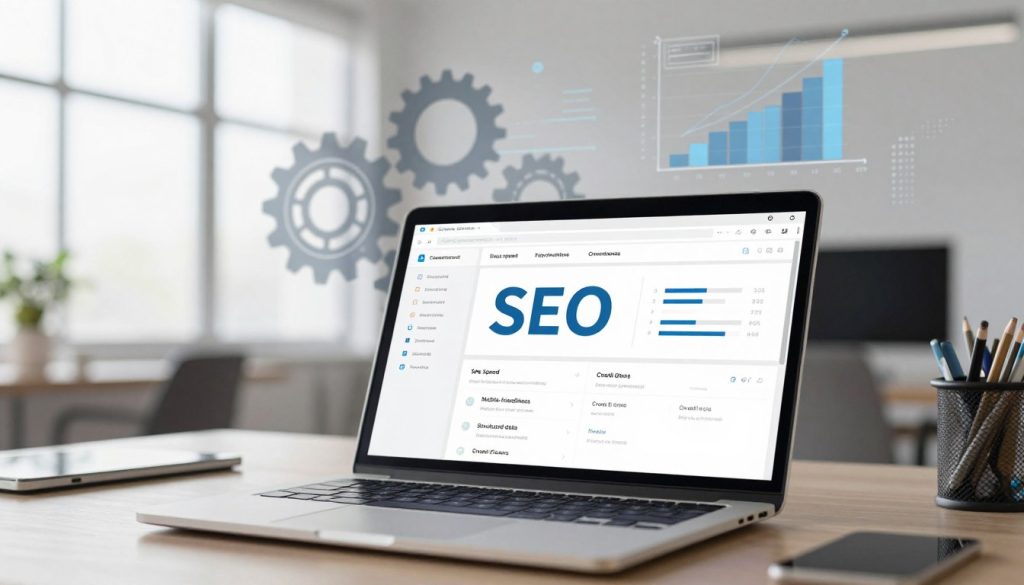
    Quora and Reddit Marketing

    Platforms like Quora and Reddit offer additional opportunities for community engagement and off-page SEO. By participating in relevant discussions and providing valuable insights, you can further enhance your online presence.

    Platform Description Benefits
    Forums Niche-specific discussion boards Targeted audience engagement, authority building
    Quora Q&A platform for various topics Establishing expertise, driving traffic through answers
    Reddit Community-driven news and discussion site Engaging with a broad audience, promoting content

    A professional digital marketing expert, dressed in smart casual attire, is sitting at a sleek desk filled with a laptop and notes, actively participating in an online forum discussion. In the foreground, the expert is typing on the laptop, emphasizing engagement in vibrant online communities. The middle ground showcases the glowing screen displaying various forum threads, each filled with colorful icons of people interacting, sharing insights, and exchanging ideas. The background features a well-organized workspace with motivational posters, potted plants, and subtle ambient lighting, creating a collaborative atmosphere. Soft, warm light illuminates the scene, creating an inviting and inspiring mood. The camera angle captures a slight overhead perspective, offering a sense of focus and involvement in the dynamic world of forum marketing.

    By incorporating forum marketing and community engagement into your off-page SEO strategy, you can enhance your online presence and drive more traffic to your website. Focus on providing value, building authority, and leveraging the right platforms to maximize your results.

    Measuring the Success of Your Off-Page SEO Efforts

    To understand the impact of your off-page SEO efforts, it’s crucial to measure their success accurately. This involves tracking key metrics, utilizing free tools, and adjusting your strategies based on the results.

    Key Metrics to Track

    Tracking the right metrics is essential to understanding the effectiveness of your off-page SEO efforts. Some of the key metrics include:

    • Backlink Quality and Quantity: The number and quality of backlinks pointing to your site.
    • Domain Authority: An indicator of your site’s credibility and ranking potential.
    • Referral Traffic: The amount of traffic coming from other sites.
    • Social Signals: Engagement on social media platforms.

    Free Tools for Monitoring Backlinks

    Several free tools can help you monitor your backlinks and understand your off-page SEO performance. Some of these tools include:

    • Ahrefs Backlink Checker: A tool for checking backlinks.
    • Google Search Console: Provides insights into your site’s search traffic and backlinks.
    • Moz Link Explorer: Offers link analysis and domain authority metrics.

    Adjusting Your Strategy Based on Results

    Once you’ve tracked your metrics and analyzed your data, it’s time to adjust your strategy. This involves:

    When to Double Down

    If certain tactics are yielding positive results, it may be beneficial to intensify those efforts.

    When to Change Approach

    Conversely, if your efforts aren’t paying off, it might be time to reassess and adjust your strategy.

    Conclusion

    By now, it’s clear that implementing free off-page SEO techniques that work can significantly boost your website’s rankings and drive more organic traffic. The strategies discussed, from building high-quality backlinks to leveraging social media and content marketing, provide a comprehensive approach to enhancing your online presence.

    To get started, focus on creating linkable assets and engaging with your audience across various platforms. Utilize tools like Google Search Console to monitor your backlinks and adjust your strategy accordingly. With persistence and the right techniques, you can improve your website’s visibility and attract more visitors.

    Begin applying these free off-page SEO techniques that work today, and watch your website climb the search engine rankings. With consistent effort, you’ll be on your way to achieving your online goals.

    FAQ

    What are the most effective free off-page SEO techniques?

    Some of the most effective free off-page SEO techniques include guest blogging, broken link building, resource link building, and the Skyscraper Technique. These methods help build high-quality backlinks without spending money.

    How long does it take to see results from off-page SEO efforts?

    The timeframe for seeing results from off-page SEO efforts can vary, but it’s essential to set realistic expectations. Typically, it can take several weeks to a few months to notice significant improvements in website rankings and organic traffic.

    How can I leverage social media for off-page SEO?

    To leverage social media for off-page SEO, focus on creating shareable content, building a brand presence across platforms, and engaging with online communities. Avoid spam behaviors and utilize social bookmarking sites to enhance your off-page SEO signals.

    What is the importance of content marketing in off-page SEO?

    Content marketing plays a crucial role in off-page SEO by creating linkable assets, repurposing content, and leveraging visual content like infographics. Data-driven content can attract links naturally, boosting off-page SEO signals.

    How can I measure the success of my off-page SEO efforts?

    To measure the success of your off-page SEO efforts, track key metrics, utilize free tools for monitoring backlinks, and adjust your strategy based on the results. This will help you understand when to intensify efforts and when to change your approach.

    What are some effective strategies for building high-quality backlinks?

    Effective strategies for building high-quality backlinks include guest blogging, broken link building, resource link building, and the Skyscraper Technique. These methods can help enhance your backlink profile without incurring costs.

    How can I participate effectively in online forums for off-page SEO?

    To participate effectively in online forums for off-page SEO, find relevant forums in your niche, create valuable responses, and optimize your profile strategically. Building authority through helpful answers can enhance your off-page SEO efforts.
  • How to Build Backlinks for a New Website

    How to Build Backlinks for a New Website

    Launching a new website can be a daunting task, especially when it comes to getting noticed online. One of the key challenges is building a strong online presence that can compete with established players.

    So, what’s the secret to getting your new website noticed? The answer lies in building high-quality backlinks. In this article, we’ll explore effective strategies for acquiring backlinks that can improve your website’s visibility and search engine ranking.

    Key Takeaways

    • Understand the importance of backlinks for a new website
    • Learn effective strategies for building high-quality backlinks
    • Discover how to improve your website’s visibility and search engine ranking
    • Get actionable tips for building backlinks
    • Explore the role of backlinks in SEO

    Understanding Backlinks and Their Importance

    Understanding backlinks is fundamental for any website owner looking to improve their site’s visibility and search engine rankings. Backlinks, or incoming links, are links from other websites that point to your website, and they are vital for a successful SEO strategy.

    What Are Backlinks and Why Do They Matter?

    Backlinks are considered a vote of confidence from one website to another. They signal to search engines that your content is valuable and worthy of citation. The quality and quantity of backlinks pointing to your site can significantly impact your search engine rankings.

    How Quality Backlinks Impact Search Rankings

    Quality backlinks are crucial because they can drive targeted traffic to your site and enhance your site’s credibility. Search engines like Google view high-quality backlinks as an indicator of a website’s authority and relevance in its niche.

    The Difference Between Dofollow and Nofollow Links

    Dofollow links pass link equity to the linked site, while nofollow links do not. Understanding the difference is essential for effective backlinking strategies. Here’s a simple comparison:

    Link Type Description SEO Impact
    Dofollow Passes link equity Improves search rankings
    Nofollow Does not pass link equity No direct SEO impact

    Effective backlink building requires a combination of strategies, including creating link-worthy content and leveraging online platforms. By focusing on quality over quantity and understanding the nuances of dofollow and nofollow links, you can enhance your website’s SEO performance.

    Preparing Your Website for Backlink Building

    A well-prepared website is crucial for successful high-quality backlink acquisition and organic link building techniques. To achieve this, focus on creating content that is worth linking to and optimizing your website’s structure.

    Creating Link-Worthy Content

    Developing content that adds value to your audience is key. This can be achieved by:

    • Developing Comprehensive Guides and Resources that are informative and well-researched.
    • Using Data and Original Research to provide unique insights that others will want to reference.

    A modern, stylish office workspace filled with inspirational elements for content creation. In the foreground, a laptop displaying a website dashboard with colorful graphs and analytics, alongside a notepad filled with ideas and a stylish pen. In the middle, a large, bright window letting in natural light, casting soft shadows on the minimalist wooden desk. A plant adds a touch of greenery, enhancing the inviting atmosphere. In the background, a bulletin board adorned with pinned articles, charts, and backlink strategies. The overall mood should be vibrant and motivating, with warm lighting to evoke creativity and focus in a professional setting. The composition should have a slight top-down angle to emphasize the workspace.

    Optimizing Your Website Structure

    Ensuring your website is user-friendly and search engine optimized is vital. This includes:

    • Internal Linking Best Practices to help users and search engines navigate your site.
    • Site Speed and Mobile Optimization to improve user experience and search rankings.

    By focusing on these areas, you’ll be well on your way to preparing your website for effective backlink building.

    How to Build Backlinks for a New Website: Foundational Strategies

    For new websites, building backlinks is a foundational step in enhancing visibility and credibility online. Effective backlink building strategies not only improve search engine rankings but also drive targeted traffic to your site.

    Guest Posting on Relevant Websites

    Guest posting is a powerful method for acquiring high-quality backlinks. It involves creating valuable content for other reputable websites in your niche.

    Finding Quality Guest Posting Opportunities

    To find quality guest posting opportunities, start by researching websites that are relevant to your niche. Look for sites with a strong domain authority and engaged audiences. You can use tools like Ahrefs or SEMrush to identify potential targets.

    Crafting Valuable Content That Gets Accepted

    Crafting content that gets accepted involves understanding the host site’s audience and creating content that adds value to their readers. Ensure your content is well-researched, informative, and aligns with the host site’s tone and style.

    Guest Posting Tips Description Benefits
    Research the Host Site Understand the site’s content and audience Increases acceptance rates
    Create High-Quality Content Well-researched and engaging content Enhances credibility and authority
    Follow Guidelines Adhere to the site’s guest posting guidelines Reduces the risk of rejection

    Creating Shareable Infographics and Visual Content

    Infographics and visual content are highly shareable and can attract significant backlinks. Focus on creating informative and visually appealing graphics that add value to your audience.

    Leveraging Social Media Platforms for Initial Exposure

    Social media platforms can amplify your content’s reach, driving initial exposure and potentially attracting backlinks. Share your content across various social media channels and engage with your audience to maximize visibility.

    By implementing these foundational strategies, new websites can establish a strong backlink profile, enhancing their SEO efforts and online presence.

    Building Relationships for Natural Backlinks

    In the world of SEO, building relationships is key to earning backlinks that matter. Natural backlink acquisition is largely dependent on the connections you make within your industry. By fostering meaningful relationships, you not only enhance your website’s credibility but also increase your chances of getting linked by authoritative sources.

    Networking with Industry Influencers

    One effective way to build relationships is by networking with industry influencers. These individuals have established credibility and a large following, making them valuable for promoting your content. Engage with their work, comment on their posts, and share their content to start a conversation. As Rand Fishkin, a well-known figure in the SEO community, once said,

    “The best links are often the result of creating something worthy of being linked to.”

    Building a rapport with influencers can lead to opportunities for guest posting, collaborations, and even backlinks from their websites.

    A professional networking scene focused on building backlinks, featuring a diverse group of three individuals engaged in a lively discussion around a sleek modern conference table. In the foreground, one person is enthusiastically pointing at a laptop screen displaying a digital marketing chart, while the other two, dressed in business attire, listen attentively, taking notes. The middle ground features a bright, open office space with large windows letting in natural light, plants for a touch of greenery, and motivational posters on the walls. The background subtly displays bookshelves filled with industry-related books and awards. The atmosphere is collaborative and dynamic, evoking a sense of innovation and teamwork, captured with soft lighting and a slightly elevated angle to emphasize the engagement amongst participants.

    Engaging in Online Communities and Forums

    Participating in online communities and forums related to your niche is another effective strategy. Platforms like Reddit, Quora, and industry-specific forums allow you to share your expertise and provide value to others. By being an active and helpful member, you can establish your authority and potentially earn backlinks from other community members. Remember, the goal is to contribute meaningfully, not to spam links.

    Participating in Industry Events and Webinars

    Attending industry events and webinars is a great way to meet potential linkers in person or virtually. These events provide opportunities to learn about the latest trends and network with like-minded professionals. By presenting at or participating in these events, you can increase your visibility and demonstrate your expertise, making it more likely for others to link back to your website.

    By focusing on building genuine relationships through these strategies, you can enhance your backlink profile and improve your website’s SEO performance.

    Effective Outreach Methods for Backlink Acquisition

    To build a robust backlink profile, you need to master the art of outreach, which involves crafting compelling emails and building meaningful relationships. Effective outreach is critical for securing high-quality backlinks that can significantly improve your website’s search engine rankings.

    Crafting Compelling Outreach Emails

    The success of your outreach efforts largely depends on the quality of your emails. Personalization is key to making your emails stand out. By addressing the recipient by name and referencing their work or content, you can significantly increase the chances of getting a response.

    Personalization Techniques That Work

    Personalization involves more than just using the recipient’s name. It includes referencing specific content they’ve created, showing appreciation for their work, and explaining why your content is relevant to them. This approach helps in building a connection with the recipient.

    Subject Lines That Get Opened

    Your subject line is the first thing the recipient sees, and it can make or break the success of your email campaign. Crafting a compelling subject line that is both informative and intriguing can significantly improve your open rates.

    Following Up Without Being Pushy

    Following up is an essential part of the outreach process. However, it’s crucial to strike the right balance between being persistent and being pushy. A well-timed follow-up email can gently nudge the recipient into taking action.

    Building Mutually Beneficial Relationships

    The ultimate goal of outreach should be to build mutually beneficial relationships. This involves not just asking for links but also offering value to the other party. Whether it’s through guest posting, content collaboration, or simply sharing their content, the key is to create a win-win situation.

    By implementing these effective outreach methods, you can enhance your backlink acquisition efforts and improve your website’s online presence.

    Advanced Backlink Building Techniques

    To maximize your website’s potential, it’s essential to explore advanced backlink building strategies that foster high-quality link acquisition. These techniques require more effort but can yield significant results in terms of improved search engine rankings and increased website traffic.

    Broken Link Building

    Broken link building is a technique that involves finding broken links on other websites and offering to replace them with a working link to a similar article or resource on your own site. This method not only helps in acquiring backlinks but also assists webmasters by fixing broken links on their sites.

    Finding Broken Links on Authority Sites

    To start, identify authority sites in your niche and use tools like Ahrefs or SEMrush to scan these sites for broken links. This step is crucial as it helps you pinpoint potential link opportunities.

    Creating Replacement Content

    Once you’ve identified broken links, create high-quality content that is relevant and can serve as a replacement. Ensure that your content is not only informative but also engaging and provides value to the users.

    Skyscraper Technique

    The Skyscraper Technique involves creating content that is significantly better than what is currently ranking for a particular keyword. This could mean making your content more comprehensive, up-to-date, or engaging.

    Resource Page Link Building

    Resource page link building involves identifying resource pages in your niche and suggesting your content as a valuable resource. Ensure that your content is relevant and adds value to the resource page.

    HARO and Expert Roundups

    HARO (Help a Reporter Out) and expert roundups are effective ways to build backlinks by being featured in articles or contributing to expert opinions. Respond to HARO queries relevant to your expertise and participate in expert roundups to increase your visibility.

    Technique Description Potential Outcome
    Broken Link Building Replacing broken links with working links to similar content High-quality backlinks
    Skyscraper Technique Creating superior content to what’s currently ranking Increased visibility and rankings
    Resource Page Link Building Getting featured on resource pages Relevant backlinks
    HARO and Expert Roundups Being featured in articles or contributing expert opinions Authoritative backlinks and increased credibility

    A visually engaging and informative illustration of "Advanced Backlink Building Techniques". In the foreground, depict a professional business person in smart attire, focused on a laptop, analyzing data and graphs representing backlink analytics. In the middle ground, illustrate interconnected charts, showcasing various backlink strategies like guest posting, influencer outreach, and content marketing. Incorporate digital elements, such as arrows and icons that signify linking and networking. The background should feature a modern office environment with soft, natural lighting flowing through large windows, casting a warm ambiance. The overall mood should be one of innovation and professionalism, emphasizing a forward-thinking approach to SEO and digital marketing. Use a clear perspective, capturing a slight overhead angle to enhance the complexity of the relationships depicted in the image.

    By implementing these advanced backlink building techniques, you can significantly enhance your website’s backlink profile, leading to improved search engine rankings and increased online visibility.

    Avoiding Harmful Backlink Practices

    To ensure the success of your SEO campaign, it’s essential to steer clear of harmful backlink practices. While backlinks are a crucial factor in search engine rankings, not all link building strategies are beneficial. Some tactics can lead to penalties from search engines, damaging your website’s credibility and visibility.

    Identifying Toxic Backlinks

    Toxic backlinks can come from low-quality websites, spammy sites, or sites unrelated to your niche. Tools like Ahrefs or SEMrush can help identify such links by analyzing your backlink profile. Regular audits are crucial to detect and address toxic backlinks.

    Link Schemes to Avoid

    Link schemes, such as buying links or participating in link farms, are against Google’s guidelines. These practices can result in severe penalties, including being delisted from search results. Focus on organic link building by creating valuable content that naturally attracts links.

    When and How to Disavow Links

    If you’ve acquired toxic backlinks, disavowing them is a necessary step. Use Google’s Disavow Tool to tell search engines you don’t want certain links considered when assessing your site. However, use this tool with caution and only after attempting to remove the links.

    Maintaining a Natural Link Profile

    A natural link profile is diverse and includes links from various sources. Avoid over-optimizing anchor texts and ensure links come from relevant, high-quality sites. Diversity is key to a healthy backlink profile.

    Best Practice Benefit
    Regular Backlink Audits Identify and remove toxic backlinks
    Organic Link Building Attract high-quality, relevant links
    Diverse Anchor Texts Maintain a natural link profile

    Conclusion

    Building backlinks for a new website is a crucial step in improving its online presence. By understanding the importance of backlinks and implementing a strategic approach, you can increase your website’s visibility and search engine ranking.

    Using a combination of foundational and advanced strategies, such as guest posting, creating shareable content, and leveraging backlink building tools, can help you build a strong backlink profile. It’s essential to avoid harmful practices and maintain a natural link profile to ensure long-term success.

    As you continue to build backlinks for your new website, remember to stay focused on creating high-quality content and building mutually beneficial relationships with other websites. With persistence and the right strategies, you can improve your website’s online presence and drive more traffic to your site, following a beginner’s guide to backlink building.

    FAQ

    What are the most effective backlink building strategies for a new website?

    Effective backlink building strategies for a new website include guest posting on relevant websites, creating shareable infographics and visual content, leveraging social media platforms for initial exposure, and building relationships with industry influencers.

    How can I identify high-quality websites for guest posting?

    To identify high-quality websites for guest posting, look for sites that are relevant to your niche, have a good domain authority, and engage with their audience. You can use tools like Moz or Ahrefs to analyze a site’s backlink profile and authority.

    What is the difference between dofollow and nofollow links, and how do they impact SEO?

    Dofollow links pass link equity and are considered by search engines when ranking websites, while nofollow links do not pass link equity. While both types of links have their uses, dofollow links are generally more valuable for SEO purposes.

    How can I avoid acquiring toxic backlinks?

    To avoid acquiring toxic backlinks, be cautious when engaging in link exchanges or responding to unsolicited link offers. Regularly monitor your backlink profile using tools like Ahrefs or SEMrush, and disavow any suspicious or low-quality links.

    What is broken link building, and how can I use it to acquire backlinks?

    Broken link building involves finding broken links on other websites and offering to replace them with a working link to a similar article or resource on your own website. You can use tools like Ahrefs or Moz to find broken links, and then reach out to the website owner or administrator to offer your replacement content.

    How can I leverage HARO and expert roundups to build backlinks?

    To leverage HARO (Help a Reporter Out) and expert roundups, sign up for HARO and respond to queries related to your expertise. You can also participate in expert roundups by sharing your insights and experiences with other industry professionals. Both methods can help you build relationships and acquire backlinks from authoritative sources.

    What are some best practices for outreach and building relationships with other websites?

    Best practices for outreach and building relationships include personalizing your emails, being clear and concise about your offer, and showing genuine interest in the other website’s content or audience. Building mutually beneficial relationships can lead to natural backlink acquisition and other opportunities.

    How can I maintain a natural link profile and avoid over-optimizing my backlinks?

    To maintain a natural link profile, focus on acquiring backlinks from diverse sources, including different domains, IPs, and anchor texts. Avoid over-optimizing your backlinks by using a varied anchor text profile and not overloading your website with too many links at once.
  • Off Page SEO for Beginners: A Step-by-Step Guide

    Off Page SEO for Beginners: A Step-by-Step Guide

    Are you wondering why your website isn’t ranking higher in search engine results despite your best on-site optimization efforts? The answer lies in off-page optimization, a crucial aspect of SEO that can significantly boost your website’s visibility and credibility.

    Off-page SEO involves strategies that help search engines understand your website’s relevance and authority. It’s about building your website’s reputation online through quality backlinks, social signals, and more. As a beginner, understanding and implementing these strategies can seem daunting, but with a step-by-step approach, you can improve your website’s rankings and drive more traffic to your site.

    Key Takeaways

    • Off-page SEO is crucial for improving website visibility and rankings.
    • Quality backlinks are a key factor in off-page SEO.
    • Social signals can impact your website’s credibility.
    • A step-by-step guide can help beginners implement off-page SEO strategies.
    • Off-page SEO involves building your website’s online reputation.

    Understanding Off Page SEO Fundamentals

    While on-page SEO focuses on optimizing your website’s content, off-page SEO is about building your site’s reputation across the web. Understanding the basics of off-page SEO is crucial for any beginner looking to improve their website’s search engine ranking.

    What Is Off Page SEO and Why It Matters

    Off-page SEO refers to the techniques used to improve your website’s visibility and credibility by acquiring high-quality backlinks from other reputable sites, enhancing your online presence through social media, and more. It matters because it signals to search engines that your content is valuable and worthy of citation.

    The Difference Between On-Page and Off-Page SEO

    On-page SEO involves optimizing elements on your website, such as content, meta tags, and internal linking. In contrast, off-page SEO focuses on external factors like backlinks, social media presence, and local SEO. Both are essential for a comprehensive SEO strategy.

    Quality vs. Quantity: The Truth About Backlinks

    Not all backlinks are created equal. Quality trumps quantity when it comes to backlinks. A few links from authoritative sites are more valuable than numerous links from low-quality sites.

    Domain Authority and Link Relevance

    Domain authority is a metric that predicts how well a website will rank on search engines. Link relevance is also crucial, as links from relevant sites carry more weight.

    Natural Link Profiles

    A natural link profile is diverse and includes links from various types of sites. It’s essential to avoid manipulative link-building tactics that can lead to penalties.

    SEO Factor On-Page SEO Off-Page SEO
    Primary Focus Content Optimization Building Reputation
    Key Elements Meta Tags, Internal Linking Backlinks, Social Media
    Importance Critical for Initial Ranking Crucial for Long-Term Visibility

    Building a Strong Foundation Before Starting Off-Page SEO

    A well-prepared website is the foundation upon which effective off-page SEO is built. Ensuring your site is ready for off-page efforts is crucial for maximizing your online visibility.

    Ensuring Your Website Is Ready for Off-Page Efforts

    To get started, focus on creating content worth linking to and ensuring your site’s technical SEO is in top shape.

    Content Worth Linking To

    Develop content that is informative, engaging, and provides value to your audience. This can include in-depth guides, research studies, or innovative solutions to common problems.

    Technical SEO Essentials

    Ensure your website is technically sound by optimizing page speed, mobile responsiveness, and XML sitemaps. A technically sound site improves user experience and search engine crawlability.

    Setting Up Analytics and Tracking Tools

    To measure the success of your off-page SEO efforts, it’s essential to set up analytics and tracking tools. Use tools like Google Analytics to monitor your website’s traffic, engagement, and conversion rates.

    Establishing Clear Off-Page SEO Goals

    Define clear, measurable goals for your off-page SEO strategy. This could include increasing organic traffic, improving domain authority, or boosting brand mentions. Having clear goals helps you stay focused and measure success.

    A detailed off-page SEO checklist displayed prominently on a wooden desk, with items like "Backlink Strategy", "Social Media Engagement", and "Guest Blogging" clearly outlined with checkboxes next to each. In the foreground, a laptop open to a web analytics dashboard shows graphs and statistics, symbolizing digital strategy. The middle ground features a coffee cup and a potted plant, enhancing a cozy, productive workspace atmosphere. The background is softly blurred, showcasing books on digital marketing and SEO techniques on a bookshelf. Soft, natural lighting filters in from a window, casting gentle shadows and creating a warm, inviting tone. The overall mood is focused, professional, and inspiring for beginners in the field of off-page SEO.

    • Develop high-quality, linkable content
    • Optimize technical SEO elements
    • Set up and configure analytics tools
    • Establish clear, measurable SEO goals

    Off Page SEO for Beginners Step by Step: The Complete Process

    Embarking on an off-page SEO journey can seem daunting, but with a step-by-step guide, beginners can navigate the process with ease. Off-page SEO is a multifaceted strategy that involves several key steps to improve your website’s visibility and credibility online.

    Step 1: Competitor Analysis for Off-Page Opportunities

    Understanding what your competitors are doing is crucial in off-page SEO. It helps you identify gaps and opportunities that you can leverage.

    Tools for Backlink Research

    Utilizing tools like Ahrefs, SEMrush, or Moz is essential for analyzing your competitors’ backlink profiles. These tools provide insights into who is linking to your competitors and what kind of content is attracting those links.

    Identifying Gap Opportunities

    By comparing your backlink profile with that of your competitors, you can identify areas where you can improve and gain an advantage. Look for links that your competitors have but you don’t, and strategize on how to acquire them.

    Tool Feature Usefulness for Beginners
    Ahrefs Backlink analysis, keyword research High
    SEMrush Competitor analysis, technical SEO audit High
    Moz Link building, content optimization Medium

    Step 2: Creating a Linkable Asset Strategy

    Developing content that is worthy of being linked to is a critical step. This could be in the form of in-depth guides, original research, or highly engaging content.

    Step 3: Developing an Outreach Plan

    Outreach is about connecting with relevant websites and influencers in your niche. Building relationships and proposing valuable content collaborations can lead to high-quality backlinks.

    Step 4: Implementing and Monitoring Your Strategy

    Once you’ve created your linkable assets and outreach plan, it’s time to put them into action. Monitor your progress using analytics tools, and adjust your strategy as needed.

    By following these steps and continually adapting to the ever-changing landscape of off-page SEO, beginners can set themselves up for success and improve their website’s online presence.

    Mastering Backlink Building Strategies

    Effective backlink building strategies are essential for a successful off-page SEO campaign. Backlinks from authoritative sites not only drive referral traffic but also signal to search engines that your content is valuable and worthy of ranking higher.

    Guest Blogging: The Complete Approach

    Guest blogging remains one of the most effective ways to build high-quality backlinks. It involves writing articles for other reputable websites in your niche, including a link back to your site. To get started, identify potential guest blogging opportunities by researching sites that are relevant to your niche.

    Finding Quality Guest Post Opportunities

    To find quality guest post opportunities, look for sites that are relevant to your niche and have a good domain authority. Use tools like Ahrefs or SEMrush to analyze potential sites. Make a list of potential sites and evaluate their content quality and engagement.

    Crafting Pitches That Get Accepted

    Crafting a compelling pitch is crucial. Ensure your pitch is personalized, highlights the value you can bring to the host site, and includes a few topic suggestions. A well-crafted pitch can significantly increase your chances of getting accepted.

    Broken Link Building Techniques

    Broken link building involves finding broken links on other websites and offering to replace them with a working link to a similar article on your site. This technique requires patience and persistence but can yield high-quality backlinks.

    • Use tools like Ahrefs to find broken links
    • Identify relevant content on your site to replace the broken link
    • Reach out to the site owner with your replacement suggestion

    Resource Page Link Building

    Resource page link building involves getting listed on resource pages that link to other high-quality sites in your niche. To succeed, identify relevant resource pages, create valuable content that deserves to be listed, and reach out to the page owners.

    Creating Shareable Infographics and Visual Content

    Creating shareable infographics and visual content can attract backlinks naturally. Visual content is more engaging and tends to be shared more often. Ensure your visual content is informative, well-designed, and relevant to your audience.

    A visually engaging illustration of backlink building strategies in a professional setting. In the foreground, a diverse group of three professionals, dressed in business attire, collaborates around a sleek conference table with laptops open, displaying graphs and analytics. In the middle ground, an infographic-style chart depicting various backlink types like guest posts, forums, and social media icons flows creatively from the laptops, emphasizing teamwork and strategy. The background features a modern office environment, with large windows letting in soft natural light, creating an inviting atmosphere. Capture this scene from a slightly elevated angle, focusing on the interaction among the individuals and the illustrative border wrapping the infographic. The overall mood should convey collaboration, innovation, and the excitement of mastering SEO techniques.

    By incorporating these backlink building strategies into your off-page SEO efforts, you can improve your website’s authority, drive more traffic, and enhance your search engine rankings. Focus on creating high-quality content and building genuine relationships with other websites in your niche.

    Content Marketing as an Off-Page SEO Strategy

    Content marketing is a pivotal element in off-page SEO strategies, enabling businesses to build brand awareness and attract high-quality backlinks. By creating valuable and relevant content, businesses can drive link acquisition and enhance their online visibility.

    Creating 10x Content That Naturally Attracts Links

    To attract links naturally, it’s essential to create 10x content that surpasses existing content on the same topic. This involves producing comprehensive, well-researched, and engaging content that provides unique insights or solutions.

    Promoting Content Effectively Across Channels

    Effective content promotion is crucial for maximizing visibility and attracting links. This can be achieved by leveraging various channels, including social media, email newsletters, and influencer outreach.

    Leveraging Social Media for Content Distribution

    Social media platforms offer a powerful means of distributing content and driving engagement. By tailoring content to specific platforms, businesses can increase their reach and attract more links.

    Platform-Specific Strategies

    Different social media platforms require distinct strategies. For instance, visual-centric platforms like Instagram and Pinterest are ideal for promoting infographics and visual content.

    Building Engagement That Leads to Links

    Engagement is a critical factor in attracting links. By fostering a community and encouraging interactions, businesses can increase the likelihood of their content being linked to.

    Platform Content Type Engagement Strategy
    Twitter Short-form content Utilize hashtags and participate in trending conversations
    Facebook Detailed articles and videos Encourage sharing and commenting
    LinkedIn Professional insights and industry news Engage in relevant groups and discussions

    Avoiding Common Off-Page SEO Mistakes and Penalties

    As you embark on your off-page SEO journey, it’s crucial to steer clear of practices that can harm your website’s credibility. Off-page SEO is a delicate balance of strategies that, when executed correctly, can significantly boost your site’s visibility and authority.

    Black Hat Techniques to Stay Away From

    One of the most significant risks in off-page SEO is employing black hat techniques such as buying links, participating in link schemes, or using automated programs to generate fake social signals. These tactics can lead to severe penalties from search engines, including being delisted from search results.

    Recognizing Low-Quality Link Opportunities

    Not all backlinks are created equal. It’s essential to identify and avoid low-quality link opportunities that can do more harm than good. Look out for sites with low domain authority, irrelevant content, or those that are overly spammy.

    Low-Quality Link Characteristics High-Quality Link Characteristics
    Low domain authority High domain authority
    Irrelevant or spammy content Relevant and valuable content
    Links from unrelated niches Links from related niches

    How to Disavow Toxic Backlinks

    If you’ve acquired toxic backlinks, either intentionally or unintentionally, it’s crucial to disavow them to prevent penalties. Use Google’s Disavow Tool to tell search engines that you don’t want certain links considered when assessing your site.

    Maintaining a Natural Link Velocity

    A sudden spike in backlinks can raise red flags with search engines. Maintaining a natural link velocity means acquiring links at a steady, organic pace. This approach not only avoids penalties but also contributes to a sustainable SEO strategy.

    A contemporary office setting with a visual representation of off-page SEO tips. In the foreground, a polished wooden desk holds a laptop displaying graphs and analytics related to SEO performance. To the left, a vibrant, open notebook is filled with colorful notes and checklists titled “Avoiding Common SEO Mistakes.” In the middle ground, a professional woman in business attire, focused and engaged, is discussing strategies with a colleague, pointing at the notebook. The background features a large window with natural light pouring in, showcasing a bustling cityscape outside. Soft, ambient lighting creates a productive vibe, while the overall atmosphere conveys seriousness and collaboration, perfect for conveying the importance of off-page SEO practices without pushing mistakes.

    Conclusion: Measuring Success and Scaling Your Off-Page SEO Efforts

    Now that you’ve implemented the off-page SEO strategies outlined in this guide, it’s essential to measure their effectiveness and plan for future growth. Start by tracking key performance indicators such as organic traffic, keyword rankings, and backlink quality.

    To scale your off-page SEO efforts, focus on creating high-quality, linkable content and leveraging outreach opportunities to build authoritative backlinks. Continuously monitor your link profile and adjust your strategy as needed to maintain a natural link velocity.

    By following this comprehensive off-page SEO guide and staying committed to your strategy, you’ll be well on your way to improving your website’s visibility, driving more qualified leads, and achieving long-term success in search engine rankings.

    FAQ

    What is off-page SEO, and why is it important for my website?

    Off-page SEO refers to the actions taken outside of your website to improve its visibility and ranking on search engines. It’s crucial because it helps search engines understand your website’s authority, relevance, and trustworthiness, ultimately driving more traffic and conversions.

    How do I start with off-page SEO as a beginner?

    Begin by ensuring your website is technically sound and has high-quality, linkable content. Then, focus on building a strong foundation by setting up analytics tools, defining clear SEO goals, and understanding your competitors.

    What are the most effective off-page SEO techniques for building backlinks?

    Some of the most effective techniques include guest blogging, broken link building, resource page link building, and creating shareable infographics and visual content. These strategies help attract high-quality backlinks from authoritative sources.

    How do I identify low-quality link opportunities, and what should I do about them?

    Be cautious of links from irrelevant, spammy, or low-authority sites. To identify them, analyze the linking site’s content, check its domain authority, and look for signs of manipulation. If you’ve already acquired such links, consider disavowing them to avoid potential penalties.

    What’s the difference between on-page and off-page SEO?

    On-page SEO focuses on optimizing elements within your website, such as content, meta tags, and internal linking. Off-page SEO, on the other hand, involves actions taken outside of your website, like building backlinks, social media marketing, and local SEO, to improve your website’s online presence and credibility.

    How often should I monitor my backlink profile, and what’s the best way to do it?

    Regularly monitoring your backlink profile is essential to ensure its health and detect potential issues. Use tools like Ahrefs, Moz, or SEMrush to track your backlinks, analyze their quality, and adjust your strategy accordingly.

    Can social media impact my off-page SEO efforts?

    Yes, social media can positively impact your off-page SEO by increasing your content’s visibility, driving traffic, and potentially attracting backlinks. Leverage social media platforms to promote your content, engage with your audience, and build your brand.

    What’s the ideal link velocity, and how can I maintain it?

    Link velocity refers to the rate at which you acquire new backlinks. A natural link velocity is gradual and consistent. To maintain it, focus on creating high-quality content, building genuine relationships, and avoiding manipulative link building tactics.
  • How to Do Keyword Research for a New Website

    How to Do Keyword Research for a New Website

    Are you launching a new website and wondering what secrets lie behind its online success? In today’s digital landscape, understanding your audience and tailoring your content to their needs is crucial. One of the most effective ways to achieve this is through effective keyword research.

    Keyword research is the foundation upon which a successful online presence is built. It helps you identify the terms and phrases your target audience uses, allowing you to create content that resonates with them.

    By conducting thorough keyword research, you can gain valuable insights into your audience’s preferences, behaviors, and pain points. This knowledge enables you to craft a content strategy that drives engagement, boosts visibility, and ultimately leads to conversions.

    Key Takeaways

    • Understand the importance of keyword research for new websites
    • Learn how to identify relevant keywords and phrases
    • Discover the benefits of a well-planned content strategy
    • Gain insights into your target audience’s preferences and behaviors
    • Improve your website’s visibility and drive conversions

    Understanding the Importance of Keyword Research

    Keyword research is the backbone of any successful SEO strategy, especially for new websites looking to establish their online presence. It involves identifying the terms and phrases your target audience uses to search for content, products, or services related to your website.

    By understanding these keywords, you can create content that resonates with your audience and ranks higher in search engine results pages (SERPs).

    Why Keyword Research Matters for New Websites

    For new websites, keyword research is particularly important because it helps you understand your target audience’s needs and preferences. By identifying relevant keywords, you can create content that addresses their queries and establishes your website as a valuable resource.

    This, in turn, can drive more traffic to your site and increase your online visibility.

    The Impact of Effective Keywords on Organic Search Optimization

    Effective keywords play a crucial role in organic search optimization. By incorporating relevant keywords into your content, you can improve your website’s ranking in SERPs and drive more qualified traffic to your site.

    Keyword Research Benefits Description
    Increased Online Visibility By targeting the right keywords, new websites can improve their visibility in search engine results.
    Targeted Traffic Keyword research helps attract qualified traffic to your website, increasing the chances of conversion.
    Competitive Advantage Understanding and utilizing effective keywords can give new websites a competitive edge in their niche.

    Preparing for Your Keyword Research Journey

    A well-planned keyword research strategy begins with defining your website’s goals and understanding your target audience. This foundational step is crucial for identifying the right keywords that can drive relevant traffic to your site.

    Defining Your Website’s Goals and Target Audience

    To start, you need to clearly define what your website aims to achieve. Are you looking to increase sales, generate leads, or provide information? Understanding your goals will help you identify the type of content you need to create and the keywords you should target. Additionally, knowing your target audience is vital; it helps you understand their search behavior and the keywords they are likely to use.

    Identifying Your Main Topics and Seed Keywords

    Once you have a clear understanding of your goals and audience, the next step is to identify your main topics and seed keywords. These are broad terms related to your business or niche that can be used as a starting point for your keyword research. Brainstorming sessions and competitor analysis can be useful in generating a list of seed keywords.

    Setting Up Your Keyword Research Toolkit

    With your goals, audience, and seed keywords in mind, it’s time to set up your keyword research toolkit. This involves choosing the right tools that can help you analyze and optimize your keywords.

    Free vs. Paid SEO Keyword Tools

    There are numerous keyword research tools available, ranging from free to paid options. Free tools like Google Keyword Planner can provide valuable insights, while paid tools like Ahrefs and SEMrush offer more advanced features and data. The choice between free and paid tools depends on your budget and the complexity of your keyword research needs.

    Essential Tools for Beginners

    For those new to keyword research, tools like Google Trends and Ubersuggest can be very helpful. They provide an easy way to generate keyword ideas and understand search trends. As you become more comfortable with keyword research, you can explore more advanced tools.

    To illustrate the effectiveness of different keyword research tools, consider the following comparison:

    Tool Features Cost
    Google Keyword Planner Keyword suggestions, search volume data Free
    Ahrefs Comprehensive keyword database, competitor analysis Paid
    SEMrush Technical SEO audits, keyword strategy Paid

    By carefully selecting the right tools and understanding your goals and audience, you can set a strong foundation for your keyword research journey.

    How to Do Keyword Research for a New Website: Step-by-Step Process

    Conducting keyword research for a new website can seem daunting, but with a step-by-step approach, it becomes manageable. The process involves several key steps that help you identify the most relevant and effective keywords for your website.

    Generating Keyword Ideas with SEO Keyword Tools

    To start your keyword research, you’ll need to generate a list of potential keywords. SEO keyword tools like Ahrefs, SEMrush, and Moz Keyword Explorer can help you brainstorm ideas based on your website’s content and target audience. These tools provide insights into search volume, competition, and related keywords.

    For instance, if your website is about fitness, you can use these tools to find keywords like “weight loss tips,” “home workout routines,” and “healthy nutrition plans.” Using the right tools can significantly streamline your keyword research process.

    Exploring Competitor Keywords for Inspiration

    Analyzing your competitors’ keywords can provide valuable insights and inspiration for your own keyword strategy. By understanding what keywords your competitors are ranking for, you can identify gaps and opportunities in the market.

    Tools like Ahrefs and SEMrush allow you to enter your competitors’ URLs and see the keywords they’re ranking for. This can help you create a list of potential keywords and understand the competitive landscape.

    Finding Long-Tail Keyword Research Opportunities

    Long-tail keywords are more specific phrases that have lower search volumes but are also less competitive. Targeting long-tail keywords can be an effective strategy for new websites, as they offer a higher chance of ranking in search engine results.

    For example, instead of targeting “fitness,” you could target “beginner yoga routines for weight loss.” This long-tail keyword is more specific and has a clearer user intent, making it easier to rank for.

    Using Keyword Planner Strategies for Better Results

    Google Keyword Planner is a powerful tool for keyword research, offering insights into search volume, competition, and bid prices for keywords. To get the most out of Keyword Planner, you need to use it strategically.

    Filtering for High Volume Keywords

    When using Keyword Planner, you can filter your results to show high-volume keywords. These are keywords that many people are searching for, making them potentially valuable targets for your website.

    Identifying Low-Competition Opportunities

    In addition to high-volume keywords, it’s essential to identify low-competition opportunities. These are keywords that have fewer websites competing for them, making it easier to rank in search engine results.

    By combining high-volume keywords with low-competition opportunities, you can create a robust keyword strategy that drives traffic to your website.

    As Rand Fishkin, a well-known SEO expert, once said,

    “The best keyword research is not just about finding the right keywords; it’s about understanding the intent behind those keywords.”

    This understanding is crucial for creating content that resonates with your target audience and ranks well in search engines.

    Analyzing and Selecting the Right Keywords

    To ensure your website ranks high in search engine results, it’s essential to analyze and select the most relevant keywords. This process involves a thorough examination of various metrics and techniques to identify the keywords that will drive the most traffic to your site.

    Evaluating Search Volume and Competition Metrics

    When analyzing keywords, two critical metrics to consider are search volume and competition. Search volume indicates how often a keyword is searched, while competition refers to the number of websites targeting the same keyword. Tools like Google Keyword Planner and Ahrefs provide insights into these metrics, helping you make informed decisions.

    For instance, a keyword with high search volume and low competition is ideal. However, such opportunities can be rare, and often, you’ll need to balance between the two. Long-tail keywords are a great example where you can find a sweet spot with lower competition and significant search volume.

    A clear, modern workspace showcasing a digital presentation of keyword analysis metrics. In the foreground, a sleek laptop displaying colorful graphs and charts related to SEO keyword performance, alongside an open notebook filled with handwritten notes and highlights. In the middle, a professional setting with a large screen on the wall showing a summary of keyword search volume and competition. The background features a bright, well-lit office with large windows letting in natural light, enhancing a productive atmosphere. Soft shadows add depth to the scene. The composition is shot from a slightly elevated angle to capture the entire setup, conveying focus and organization. The color palette is vibrant yet professional, reflecting innovation and analysis.

    Assessing Keyword Relevance and User Intent

    Beyond search volume and competition, it’s crucial to assess the relevance of a keyword to your content and the intent behind the user’s search. Keyword relevance ensures that the content you create matches what users are looking for, while user intent helps you understand whether the search is informational, navigational, or transactional.

    For example, a user searching for “best Italian restaurants in New York” is likely looking for a list or recommendations, indicating a transactional intent. Aligning your keywords with user intent can significantly improve your website’s conversion rates.

    Competitive Keyword Analysis Techniques

    Analyzing your competitors’ keywords can provide valuable insights into their SEO strategies and help you identify gaps in your own strategy. This involves identifying the keywords your competitors are ranking for and assessing their strengths and weaknesses.

    Using Keyword Analysis Tools Effectively

    Tools like SEMrush and Moz offer competitive analysis features that can help you understand your competitors’ keyword strategies. By analyzing their top-ranking keywords, you can identify opportunities to outrank them.

    Prioritizing Keywords for Maximum Impact

    Once you’ve identified a list of potential keywords, it’s essential to prioritize them based on their relevance, search volume, and competition. Prioritization helps you focus on the keywords that will drive the most significant impact on your website’s traffic and conversion rates.

    By following these steps and utilizing the right tools, you can develop a robust keyword strategy that enhances your website’s visibility and drives organic traffic.

    Conclusion: Implementing and Tracking Your Keyword Strategy

    Effective keyword research is crucial for a new website’s success. By understanding how to do keyword research for a new website, you can improve your online visibility and drive more traffic to your site.

    To implement your keyword strategy, start by incorporating your target keywords into your website’s content, meta tags, and headings. Monitor your website’s performance using tools like Google Analytics and adjust your strategy accordingly.

    Tracking your keyword performance regularly will help you identify areas for improvement and make data-driven decisions. By following the steps outlined in this article, you can develop a robust keyword strategy that drives results for your new website.

    Now that you know how to do keyword research for a new website, it’s time to put your knowledge into action. Start by applying the techniques discussed in this article, and watch your website’s online presence grow.

    FAQ

    What is keyword research, and why is it essential for a new website?

    Keyword research is the process of identifying and selecting the most relevant keywords and phrases that your target audience uses to search for content like yours. It’s crucial for a new website as it lays the foundation for a successful SEO strategy, improving visibility, and driving organic traffic.

    How do I define my website’s goals and target audience for keyword research?

    To define your website’s goals, identify what you want to achieve, such as generating leads or making sales. To understand your target audience, analyze demographics, interests, and behaviors to create buyer personas that guide your keyword research.

    What are seed keywords, and how do I identify them?

    Seed keywords are broad, generic terms related to your business or niche. Identify them by brainstorming a list of words and phrases that describe your content, products, or services, and then use them as a starting point for further keyword research.

    What are the best SEO keyword tools for beginners?

    Some of the best SEO keyword tools for beginners include Google Keyword Planner, Ahrefs, SEMrush, and Moz Keyword Explorer. These tools offer a range of features, from keyword suggestions to competitor analysis, to help you get started with your keyword research.

    How do I analyze competitor keywords for inspiration?

    Analyze competitor keywords by identifying their top-ranking pages, analyzing their content, and using tools like Ahrefs or SEMrush to uncover the keywords they’re targeting. This helps you understand their strategy and identify opportunities to outrank them.

    What are long-tail keywords, and why are they important?

    Long-tail keywords are more specific phrases with lower search volumes, but they’re also less competitive and more targeted to your content. They’re essential because they help you attract relevant traffic and increase conversions.

    How do I evaluate search volume and competition metrics for keywords?

    Evaluate search volume and competition metrics by using keyword research tools to analyze the average monthly searches and competition level for your target keywords. This helps you identify opportunities and prioritize your keyword strategy.

    What is competitive keyword analysis, and how do I perform it?

    Competitive keyword analysis involves analyzing your competitors’ keyword strategies to identify gaps and opportunities. Perform it by using tools like Ahrefs or SEMrush to analyze their top-ranking pages, keyword density, and content gaps.

    How do I prioritize keywords for maximum impact?

    Prioritize keywords by evaluating their relevance, search volume, and competition level. Focus on keywords with high relevance, moderate search volume, and relatively low competition to maximize your chances of ranking and driving traffic.