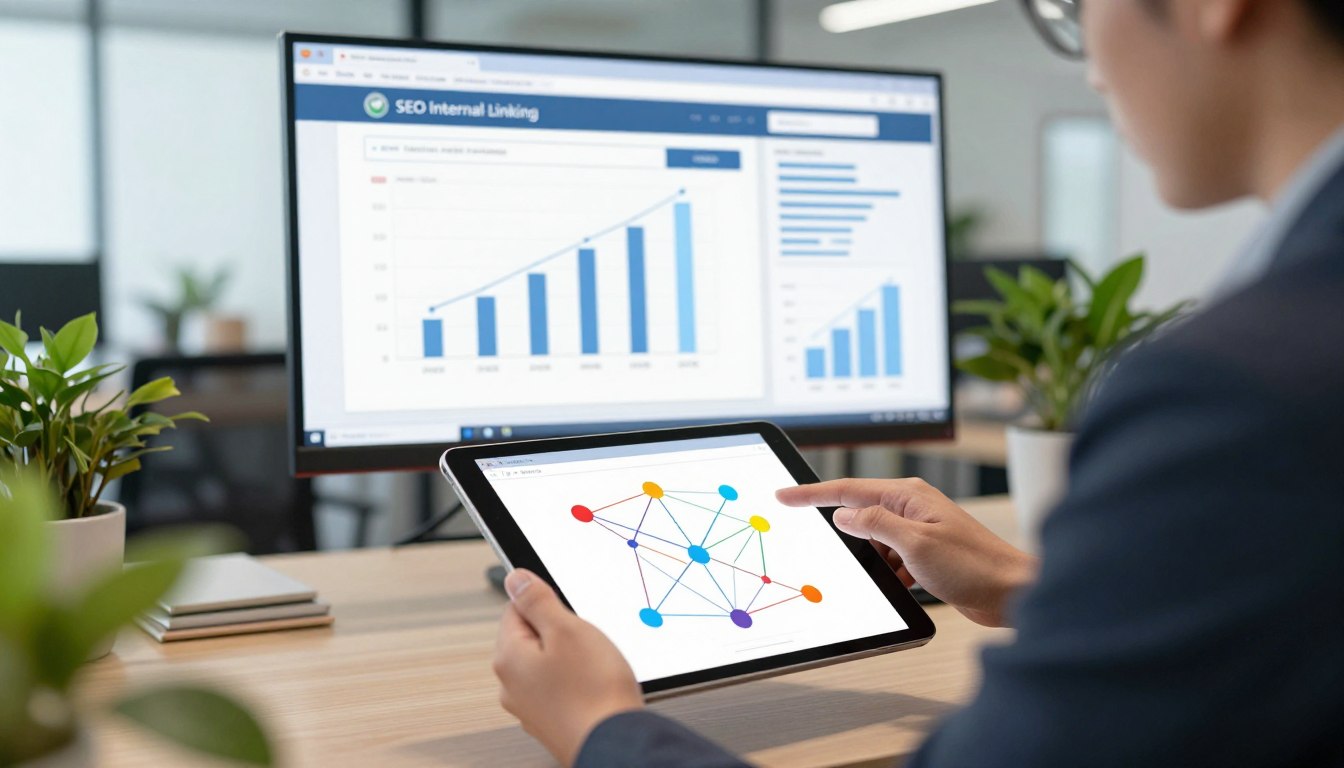
Are you wondering if there’s a secret to making your website climb the search engine rankings? The answer might be simpler than you think. A well-planned SEO internal linking can be the key to unlocking better visibility online.
Search engines like Google use complex algorithms to rank websites, and while the exact formula is a closely guarded secret, one thing is clear: a strategic internal linking strategy can significantly boost your site’s performance.
By connecting relevant pages on your website, you’re not only improving user experience but also helping search engines understand your site’s structure and content hierarchy. This, in turn, can lead to better search rankings.
Key Takeaways
- A well-planned internal linking strategy improves website visibility.
- Strategic internal linking boosts search engine rankings.
- Connecting relevant pages enhances user experience.
- Internal linking helps search engines understand your site’s structure.
- Better search rankings can be achieved through effective SEO internal linking.
Understanding the Power of Internal Links
The power of internal linking lies in its ability to enhance your website’s structure and improve user experience. Internal linking is a fundamental aspect of SEO that helps search engines understand your website’s hierarchy and content relevance.
What Are Internal Links and Why They Matter
Internal links are hyperlinks that point to other pages within the same website. They are crucial for several reasons. Firstly, they help users navigate your website, improving engagement and reducing bounce rates. Secondly, internal links assist search engines in discovering and indexing new content on your site. As Google states, “a well-organized site structure helps Google crawl your site more efficiently.”
How Search Engines Use Internal Links to Rank Pages
Search engines like Google use internal links to understand the relationship between different pages on your website. By analyzing these links, search engines can determine the importance of each page and how it contributes to your site’s overall authority. As Moz notes, “internal links are a key factor in how search engines rank pages.” A well-planned internal linking strategy can thus significantly impact your website’s search rankings.
By understanding and leveraging the power of internal links, you can improve your website’s visibility, drive more traffic, and enhance your overall SEO strategy.
The Benefits of a Strong Internal Linking Strategy
Internal linking is a powerful SEO technique that offers numerous benefits for website owners. By strategically linking to relevant pages within their site, businesses can improve user experience, enhance search engine crawlability, and boost overall website performance.
Improved Website Navigation and User Experience
A well-structured internal linking strategy helps users find the information they need more easily, leading to a better overall experience on the site. This can result in increased engagement and reduced bounce rates.
Enhanced Page Authority Distribution
Internal linking allows websites to distribute page authority more effectively, ensuring that important pages receive the attention they deserve from search engines. This can lead to improved search engine rankings for targeted keywords.

Increased Crawl Efficiency and Indexation
By providing a clear structure through internal linking, websites can improve crawl efficiency, making it easier for search engines to discover and index new content.
Reduced Bounce Rates and Longer Sessions
When users can easily navigate a site and find relevant information, they’re more likely to stay longer and explore further, reducing bounce rates and increasing session duration.
| Benefit | Description | Impact |
|---|---|---|
| Improved Navigation | Easier for users to find information | Better User Experience |
| Enhanced Authority Distribution | Better distribution of page authority | Improved Search Rankings |
| Increased Crawl Efficiency | Easier for search engines to crawl | Faster Indexation |
Internal Linking Strategy for Better Rankings: The Fundamentals
To achieve better search rankings, it’s essential to understand the fundamentals of an effective internal linking strategy. A well-planned internal linking structure not only improves user experience but also enhances your website’s visibility to search engines.
Creating a Logical Site Hierarchy
A logical site hierarchy is the foundation of a successful internal linking strategy. It involves organizing your content in a way that makes it easy for both users and search engines to navigate your site. This can be achieved by categorizing content into main themes and subthemes, creating a clear structure that flows from general to specific topics.
Identifying Your Most Valuable Content
Not all content is created equal. Identifying your most valuable content is crucial for determining which pages should be prioritized in your internal linking strategy. Use metrics such as page authority, traffic, and engagement to determine the value of each piece of content.
Planning Strategic Link Pathways
Once you’ve identified your most valuable content, it’s time to plan strategic link pathways. This involves creating a network of links that guide users and search engines through your site, highlighting your most important content. Use a mix of contextual links within your content and navigational links in menus and footers to create a robust linking structure.
Balancing Link Equity Across Your Site
Link equity refers to the value passed from one page to another through hyperlinks. Balancing link equity across your site ensures that all relevant pages have the opportunity to rank well in search engines. Avoid over-linking to a single page, and instead, distribute links thoughtfully throughout your site.
| Linking Strategy | Description | Benefits |
|---|---|---|
| Logical Site Hierarchy | Organizing content into categories and subcategories | Improved navigation, better crawlability |
| Valuable Content Identification | Prioritizing content based on authority, traffic, and engagement | Enhanced page authority, increased visibility |
| Strategic Link Pathways | Creating a network of links to guide users and search engines | Better user experience, improved crawl efficiency |
| Link Equity Balancing | Distributing link value across relevant pages | Improved rankings, increased visibility for key pages |
Best Practices for Effective Internal Linking
To maximize the benefits of internal linking, it’s essential to implement best practices that enhance user experience and search engine crawlability. Effective internal linking is not just about connecting pages; it’s about creating a logical and accessible website structure that benefits both users and search engines.
Using Descriptive and Keyword-Rich Anchor Text
Using descriptive and keyword-rich anchor text is crucial for helping search engines understand the context of the linked page. This practice not only improves the user experience by providing clear expectations of what to find on the linked page but also enhances the SEO value of the link. For instance, using “learn more about internal linking best practices” is more informative than “click here.”
Maintaining Natural Link Placement
Links should be placed naturally within the content, avoiding forced or artificial placements that disrupt the user experience. A natural link placement strategy involves integrating links within relevant and useful content, making it easier for users to navigate to related information.

Optimizing Navigation Menus and Footers
Navigation menus and footers are critical areas for internal linking as they provide primary access to a website’s main sections. Ensuring these areas are well-organized and link to relevant pages can significantly improve user experience and help search engines understand the site’s structure.
Common Mistakes to Avoid
Common mistakes in internal linking include over-linking, using non-descriptive anchor text, and neglecting mobile users. Avoiding these pitfalls requires a thoughtful and user-centric approach to internal linking. A well-planned internal linking strategy can enhance the overall performance of your website.
| Best Practice | Description | Benefit |
|---|---|---|
| Descriptive Anchor Text | Use keyword-rich text for links | Improves SEO and user understanding |
| Natural Link Placement | Integrate links within content | Enhances user experience |
| Optimized Navigation | Organize menus and footers effectively | Improves site structure and accessibility |
Advanced Internal Linking Techniques
To elevate your website’s SEO performance, it’s crucial to implement advanced internal linking techniques. These strategies go beyond basic linking and can significantly enhance your website’s authority and user experience.
Implementing Topic Clusters and Pillar Content
Topic clusters and pillar content are powerful internal linking strategies. By grouping related content around a central “pillar” page, you can create a comprehensive resource that search engines recognize as authoritative. This approach helps in organizing your content and making it more discoverable.
Contextual Linking Strategies
Contextual linking involves placing links within the body of your content where they add value to the reader. This technique not only improves user experience but also helps search engines understand the relevance and context of your links.
Using Hub Pages to Strengthen Authority
Hub pages act as central locations that link to related content across your site. By creating hub pages, you can strengthen your site’s authority on specific topics and improve navigation for both users and search engines.
Internal Linking for Content Silos
Content silos involve organizing your content into categories and subcategories, then linking within these silos to create a clear structure. This technique helps search engines understand your site’s hierarchy and can improve the visibility of related content.
By implementing these advanced internal linking techniques, you can significantly enhance your website’s SEO performance and provide a better experience for your users.
Step-by-Step Guide to Implementing an Internal Linking Plan
Implementing an effective internal linking plan is crucial for improving your website’s search rankings. A well-planned internal linking strategy helps search engines understand your website’s structure and content hierarchy, which can lead to better crawl efficiency and indexation.
Conducting a Content Audit
The first step in creating an internal linking plan is to conduct a thorough content audit. This involves reviewing all the content on your website to identify high-quality, relevant pages that can be linked together. Identify your cornerstone content and assess the overall quality and relevance of each page.
Mapping Your Internal Link Structure
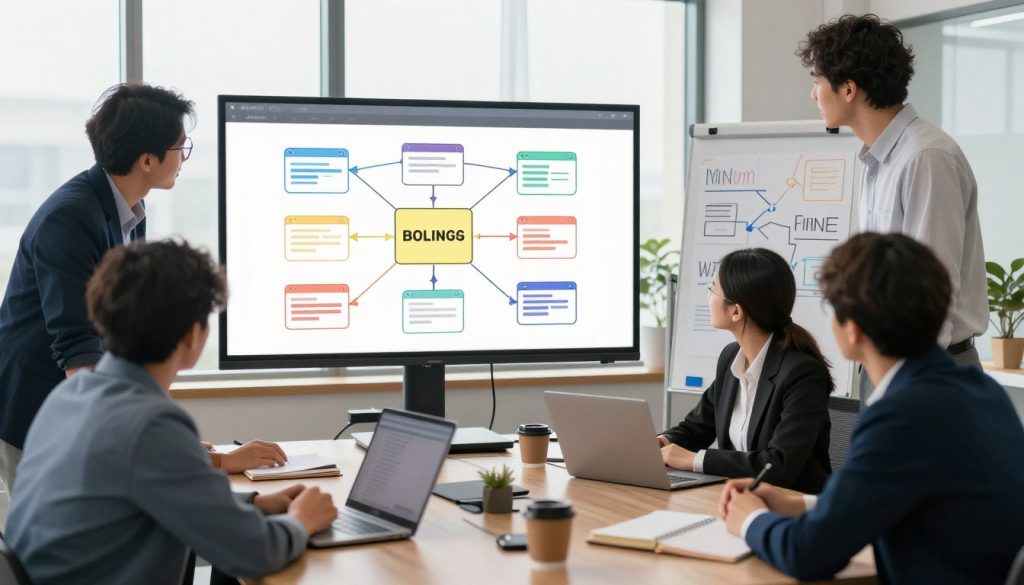
Once you have audited your content, map out your internal link structure. This involves visualizing how different pages on your website are connected. Use tools like mind maps or flowcharts to illustrate the relationships between different pages and identify potential linking opportunities.
Prioritizing Link Opportunities
Not all pages on your website are equally important. Prioritize linking to pages that are most relevant to your target audience and have the highest potential for ranking well in search engines. Focus on creating a clear information hierarchy that guides users and search engines through your content.
Executing Your Strategy Systematically
Finally, execute your internal linking strategy systematically. Start by implementing links on your most important pages and gradually work your way down to less critical content.
“A well-executed internal linking strategy can significantly improve your website’s SEO performance,”
says SEO expert, Rand Fishkin.
By following these steps, you can create an effective internal linking plan that improves your website’s search rankings and enhances user experience.
Tools for Internal Linking Analysis and Implementation
Analyzing and implementing an effective internal linking strategy is simplified with the use of specialized tools. These tools help identify opportunities, optimize link structures, and improve overall SEO performance.
Website Crawlers: Screaming Frog and Sitebulb
Website crawlers like Screaming Frog and Sitebulb are essential for internal linking analysis. They crawl your website to identify existing links, detect broken links, and provide insights into your site’s structure.
Visualization Tools: Ahrefs and SEMrush
Tools like Ahrefs and SEMrush offer visualization features that help you understand your internal linking structure. They provide site audits and recommendations for improvement.
WordPress Plugins: Link Whisper and Yoast SEO
For WordPress users, plugins like Link Whisper and Yoast SEO are invaluable. They help manage internal links, suggest relevant links, and optimize anchor text.
Free Options for Small Websites
For smaller websites, free tools can be sufficient. Google Search Console and Google Analytics provide valuable insights into your site’s performance and can help identify internal linking opportunities.
| Tool | Function |
|---|---|
| Screaming Frog | Website Crawler |
| Ahrefs | Visualization and Audit |
| Link Whisper | WordPress Internal Linking |
Turning Your Internal Linking Knowledge Into Results
By implementing a well-planned internal linking strategy, you can significantly improve your website’s search engine rankings. The internal linking benefits are multifaceted, enhancing user experience, page authority distribution, and crawl efficiency.
To achieve better rankings, focus on creating a logical site hierarchy, identifying valuable content, and planning strategic link pathways. This internal linking strategy for better rankings will help you make the most of your content.
With the right tools, such as Screaming Frog, Ahrefs, and Yoast SEO, you can analyze and optimize your internal linking structure. By executing your strategy systematically, you’ll be able to turn your internal linking knowledge into tangible results.
By following the guidelines outlined in this article, you’ll be well on your way to improving your website’s search engine rankings and driving more traffic to your site.